
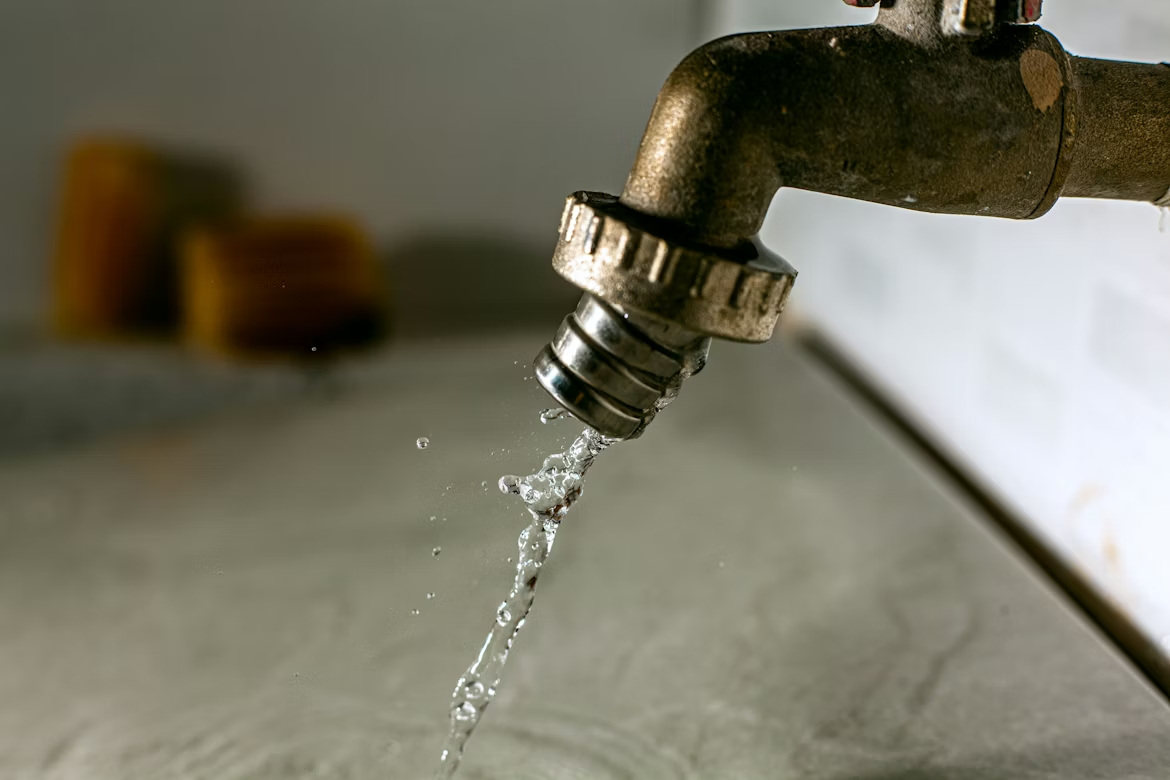
A reliable water supply supports every essential function in a home, from cooking and cleaning to heating and sanitation. Many homeowners rely on a combination of municipal systems and private solutions to meet daily needs. Plumbing systems are often out of sight, making it easy to overlook small issues until they escalate into major repairs.
Proactive maintenance helps avoid unexpected costs and disruptions. Understanding where your water comes from and how it travels through your home helps you make informed decisions about maintenance and upgrades. When supply concerns arise, exploring long-term solutions, such as independent systems, can provide greater reliability and control, especially as existing infrastructure begins to show signs of wear.
Source Reliability and Exploring New Water Supply Solutions
Many homeowners depend on aging municipal systems that may not always provide consistent pressure or water quality. Over time, these systems can become less reliable due to infrastructure wear or increasing demand. Evaluating your current water source is an important step in maintaining a dependable supply, especially if you notice recurring issues.
In some cases, installing a private water well becomes a practical option for homeowners who want more control over their supply. This approach allows direct access to groundwater on the property, reducing reliance on external systems. It also provides a more stable solution in areas where public supply systems struggle to meet demand or maintain quality standards. If you are looking for services like water well drilling installation, there are many professionals who have years of experience.
Finding the right team for this project requires some research into local regulations and geological conditions. Homeowners often start by searching for water well drilling near me to find licensed contractors in their area. A qualified contractor handles the entire process, which includes obtaining permits and testing the water quality. They also determine the proper depth of the well based on local water tables. This preparation helps secure a safe and reliable water source for the property.
Identifying Common Pipe Materials and Their Weak Points
Different pipe materials offer varying levels of durability and performance, and choosing the right one is key to long-term maintenance. Copper pipes are known for their strength and resistance to bacteria, but they can corrode over time, especially in areas with acidic water. PVC pipes are lightweight and affordable, though they may become brittle under extreme conditions.
PEX piping has become popular for its flexibility and resistance to freezing, making it a strong option in colder climates. However, it can degrade if exposed to direct sunlight for extended periods. Recognizing the strengths and weaknesses of each material helps homeowners anticipate potential issues and plan timely replacements before failures occur.
Understanding Water Pressure Problems and Their Impact
High water pressure can quietly damage a home’s plumbing system. While high pressure may seem beneficial, it can put strain on pipes, joints, and appliances. Over time, this strain can lead to leaks behind walls or under floors, often going unnoticed until significant damage appears.
Sudden changes in pressure can also cause water hammer, producing loud banging sounds in the pipes. Installing a pressure regulator and monitoring pressure levels can prevent these issues. Regular checks ensure that the system operates within safe limits, protecting both the plumbing network and connected appliances.
Managing Hard Water and Preventing Sediment Buildup
Hard water contains minerals that gradually accumulate inside pipes and fixtures. Over time, this buildup restricts water flow and reduces overall system efficiency. Homeowners often notice residue on faucets, cloudy glassware, or reduced water pressure as early signs of mineral deposits.
The effects of high water hardness go beyond simple surface stains. Over time, these dissolved minerals form a scaly layer inside your plumbing lines and water-using appliances. This scale buildup makes water heaters work much harder to warm the water, which uses more energy and raises utility bills. It can also lead to premature appliance failure and low water pressure throughout the house. Regular maintenance is often necessary to prevent these plumbing issues and avoid expensive repairs.
Appliances are especially vulnerable to sediment buildup. Water heaters, for example, must work harder when scale collects at the bottom of the tank. In colder regions like Alberta, where hard water is common and heating systems operate under increased demand during long winters, this challenge becomes even more significant. Scheduling a professional hot water tank installation in Red Deer ensures your system is properly sized, expertly installed, and optimized to handle local water conditions. This helps reduce sediment buildup, minimize strain on the tank, and extend the lifespan of your hot water system. Installing a water softener and flushing systems regularly can help reduce these effects. Routine maintenance keeps plumbing and appliances functioning efficiently for longer.
Leak Detection and Preventive Maintenance Strategies
Small leaks can cause serious damage if they go unnoticed. Regularly checking areas like under sinks, around toilets, and in basements helps catch early warning signs such as moisture, stains, or unusual odors. These inspections take little time but can prevent costly structural issues.
Modern technology also offers effective solutions. Smart leak detectors can send alerts when moisture levels change unexpectedly, allowing for quick action. Monitoring water bills for sudden increases is another practical step.
Maintaining Outdoor Water Systems and Seasonal Preparedness
Outdoor plumbing systems require consistent attention, especially as seasons change. Irrigation lines, hoses, and exterior faucets can develop leaks or inefficiencies if they are not properly maintained. Regular inspections ensure that these systems operate effectively and do not waste water.
Cold weather introduces additional risks. Water left in outdoor pipes can freeze and expand, leading to cracks or bursts. Draining hoses, shutting off exterior valves, and insulating exposed pipes are simple steps that prevent damage.
Protecting Your Home with Proactive Plumbing Care
Maintaining a reliable water system requires consistent attention to both small details and larger infrastructure decisions. Monitoring pressure, understanding pipe materials, and addressing mineral buildup all contribute to long-term performance. These efforts reduce the likelihood of sudden failures and extend the life of essential components.
Homeowners who stay proactive can avoid costly repairs and maintain a stable living environment. Simple habits, combined with professional support for complex projects, create a balanced approach to home care. A well-maintained plumbing system not only protects the home’s structure but also ensures comfort and peace of mind for everyone inside.
Leave a Reply