Have you ever driven through a place like Palm Harbor, Florida, and noticed how some homes instantly feel more welcoming than others? Often, the difference comes down to something simple: the lawn. A well-kept yard quietly shapes how a home is seen and experienced. It’s not just about grass, but about pride, value, and even how we connect with our surroundings.
First Impressions Still Matter
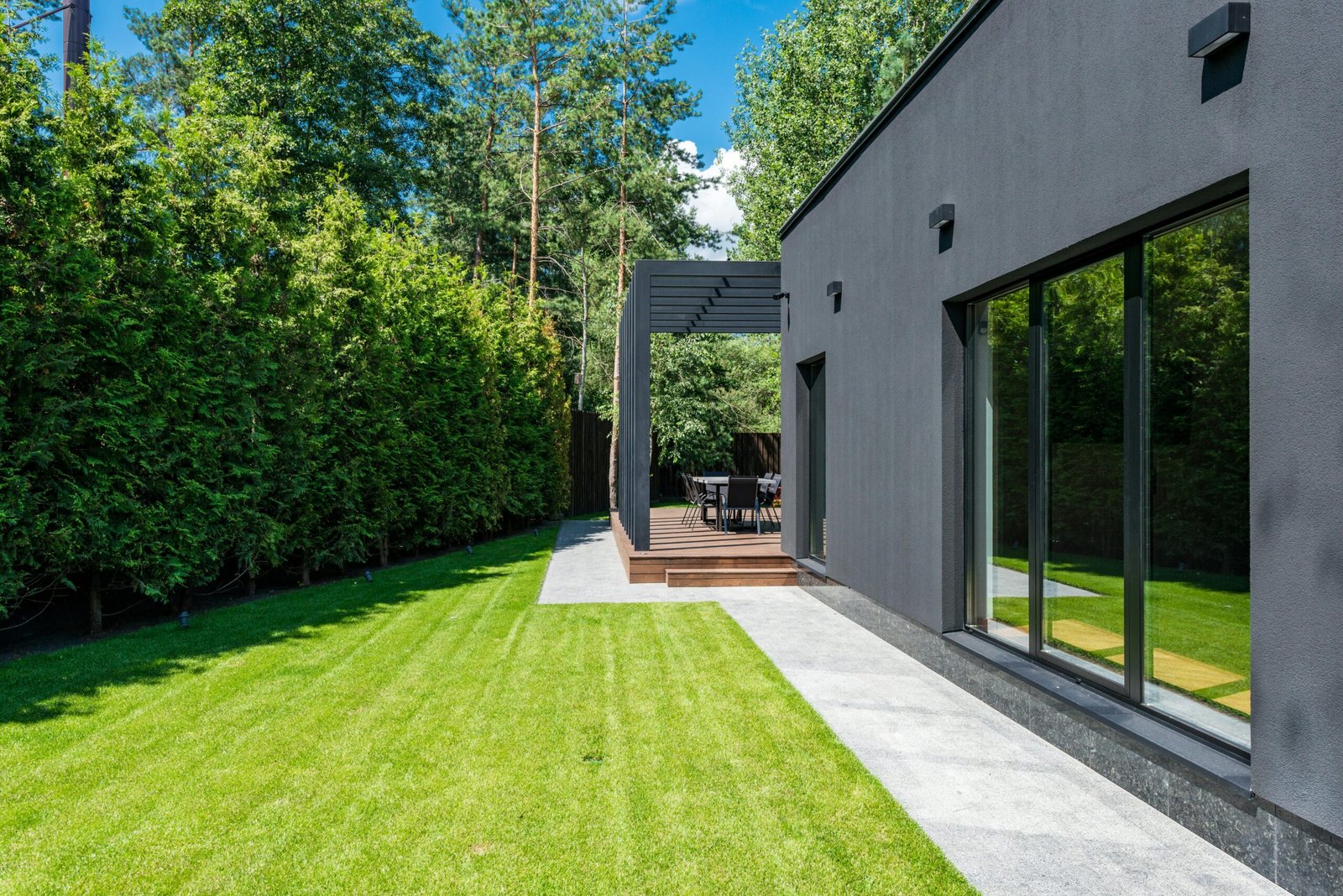
Curb appeal is not a new idea, but it has taken on fresh importance in an era where homes are often judged through photos before they are ever visited. A clean, green lawn signals care and attention. Buyers, neighbors, and even delivery drivers notice it without thinking twice.
Real estate data consistently shows that homes with maintained landscapes can sell faster and at higher prices. In a competitive housing market, especially in growing suburbs, that difference can translate into thousands of dollars. A lawn is not decoration; it is part of the property’s first handshake.
Lawn Care as a Practical Investment
A lawn is not just about appearance; it serves practical purposes that many homeowners overlook. Healthy grass helps control soil erosion, absorbs rainwater, and reduces heat around your home. This becomes more relevant as climate patterns shift and heavy rainfall events become more common across parts of the U.S.
Homeowners are also turning to professional help more often. Palm Harbor’s friendly sod services have gained attention because they simplify the process of establishing strong turf quickly, especially in areas where patchy grass can lead to drainage problems.
Environmental Benefits You Can See
A well-maintained lawn does more than look good; it contributes to the local environment. Grass acts as a natural air filter, trapping dust and pollutants while releasing oxygen. In suburban areas where tree cover may be limited, lawns help fill that gap.
Water management is another key benefit. Properly graded lawns with healthy root systems allow water to soak into the ground instead of pooling or running off into streets. With rising concerns about flooding and water waste, even small residential yards play a role in the bigger environmental picture.
The Social Signal of a Lawn
There is a subtle social layer to lawn care that often goes unspoken. A tidy yard can signal stability and responsibility, while a neglected one can raise questions about upkeep inside the home. This may not always be fair, but it reflects how people interpret their surroundings.
In recent years, as remote work has kept more people at home, neighborhoods have become more socially visible. Lawns now serve as shared visual spaces, influencing how communities feel. A maintained yard can contribute to a sense of order and pride that spreads from one property to the next.
Mental Health and Outdoor Space
Spending time outdoors has become more important, especially after the pandemic reshaped how people use their homes. A well-kept lawn provides a space to relax, exercise, or simply step away from screens. It creates a buffer between indoor stress and the outside world.
Research has shown that green spaces can reduce anxiety and improve mood. Even simple activities like mowing or watering can feel grounding. The lawn becomes less of a chore and more of a quiet routine that brings a sense of control and calm.
Economic Trends and Homeownership
Rising home prices and interest rates have made buyers more cautious, which has shifted attention toward properties that require less immediate work. A lawn that is already in good condition reduces the perceived burden on a new owner.
At the same time, the landscaping industry has grown as homeowners look for efficient ways to maintain their properties. From automated irrigation systems to soil testing kits, the market reflects a broader trend toward treating outdoor spaces as essential parts of the home rather than afterthoughts.
Adapting to Changing Expectations
The idea of the perfect lawn is evolving. Some homeowners are moving toward more sustainable approaches, such as reducing chemical use or incorporating native plants. Others are balancing traditional grass lawns with functional outdoor spaces like patios or gardens.
This shift reflects broader societal conversations about sustainability and resource use. While the classic green lawn remains popular, it is no longer the only standard. What matters most is that the space is cared for and serves the needs of the household.
A well-maintained lawn may seem like a small detail, but it connects to larger themes of value, environment, and lifestyle. It shapes how a home is seen and how it functions on a daily basis. In a time when homes are expected to do more than ever, the lawn quietly plays its part, one blade of grass at a time.
Leave a Reply