
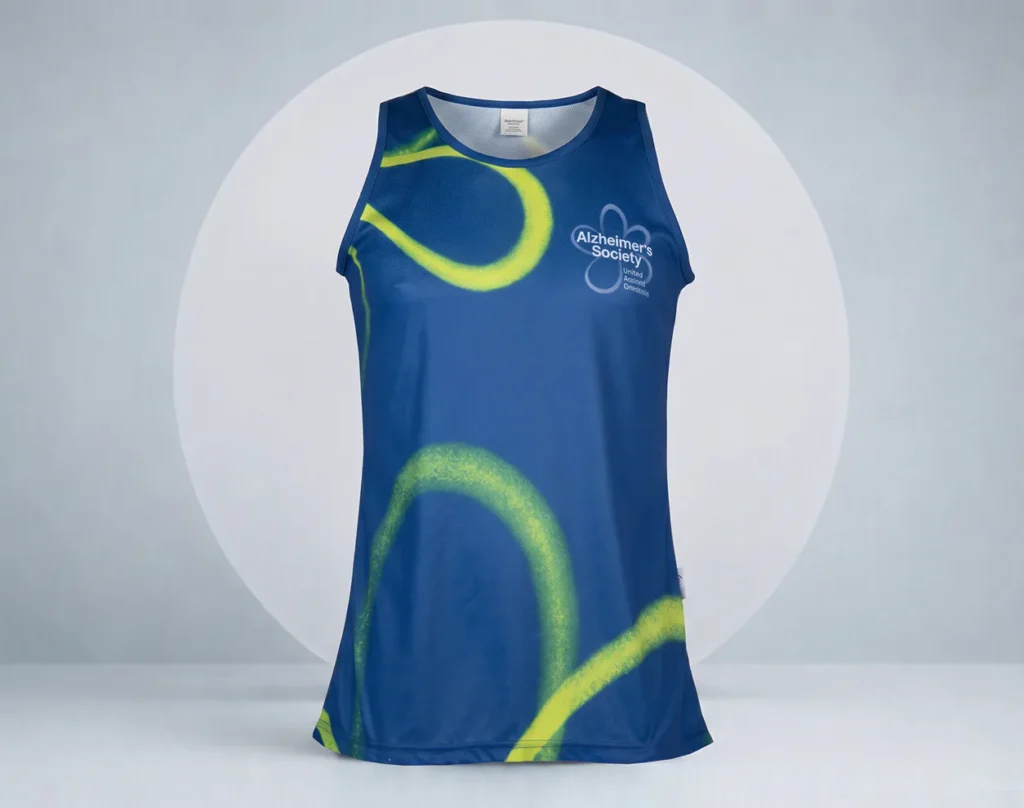
Running is probably one of the easiest and cheapest ways you can stay fit and enjoy the outdoors. However, just because you are running for personal well-being doesn’t mean you cannot stay fashionable.
What you wear can make a significant difference to your comfort, confidence, and overall performance. Instead of wearing a pair of worn-out shorts or trousers and a hoodie, why not go for custom running clothes?
Here, we will explore everything you need to know about designing custom running clothes for yourself or your team.
Choose the Best Fabric for Custom Running Clothes
Fabric selection is one of the most important decisions when creating custom running clothes. The fabric used will impact comfort, moisture management, durability, and overall athletic performance.
Not every fabric is suitable for making running shorts and vests. Your choice should depend on the intended use, weather conditions, running intensity, and personal preferences.
We recommend using nylon or polyester blends instead of cotton. Both nylon and polyester are lightweight, durable, quick drying, and generally effective at managing moisture. Moreover, polyester works well with sublimation printing, making it a popular choice for fully customised running apparel.
Consider Your Running Needs
Your needs as a regular runner who only runs for fitness are different from those of someone training to compete at a local meet. Pro and amateur marathoners may prioritise lightweight materials and minimal friction.
On the other hand, you may prefer versatile clothing that works for different activities, including walking or high-intensity sprints up and down your street.
In this case, as you can see it here, you can purchase or design custom running tights and jackets for the cold weather. You can add running shorts and vests for those summer days when the sun is hot but you still want to get out and track those steps.
Find the Perfect Fit and Size
Even high-quality fabric will not make a running outfit comfortable if it does not fit properly.
Running involves repetitive movements that can cause poorly fitted garments to rub, bunch up, or shift around the body. A tight pair of shorts or leggings can leave you with chafing around your groin area.
When designing custom running clothes, try to strike a balance between an athletic and relaxed fit. A relaxed fit is ideal if you prefer loose-fitting apparel.
Work on the Design of Custom Running Clothes
One advantage of custom running clothes is that you get to create designs that reflect your personality, team identity, or brand.
Start by selecting colours that align with your personal taste or brand identity. For running clubs and teams, colours often represent the group’s identity. For example, using bright colours can help runners from your team stand out during local meets and charity events.
Next to colours is personal branding. You can display your team logo and sponsors on your custom running clothes. When adding logos, avoid placing large branding elements in areas where they may interfere with movement and breathability.
Summing Up
Creating the perfect running outfit involves more than selecting attractive colours and adding a logo.
You should focus more on fabric quality, fit, breathability, flexibility, and durability. So, before anything else, identify your needs, select suitable performance fabrics, and choose garments that support your running style.
Leave a Reply