
Hemp-derived cannabis products have become a topic of growing interest among consumers looking for information about cannabinoids, product labels and their potential effects. From CBD oils to products containing THCA or delta-8 THC, the market includes items that may look similar but differ considerably in their chemical composition and effects. For readers in the United States, understanding these differences is especially important because federal and state rules do not always treat every hemp-derived product in the same way.
The word “hemp” can create the impression that a product is automatically non-intoxicating, safe or legal. In reality, those assumptions are not always accurate. Before considering any hemp-derived cannabis product, consumers should understand what it contains, how it is produced, what evidence supports its labeling and which regulations apply.
What Does Hemp-Derived Actually Mean?
Hemp-derived products come from hemp, a variety of the Cannabis sativa plant. Hemp can contain several cannabinoids, including cannabidiol (CBD), tetrahydrocannabinol (THC) and tetrahydrocannabinolic acid (THCA).
In the United States, federal law has historically defined hemp by reference to a delta-9 THC concentration of no more than 0.3% on a dry-weight basis. However, the legal definition of hemp does not automatically make every product made from it lawful or suitable for every use. The final formulation, manufacturing process, intended use and applicable state laws can all matter.
Consumers should also distinguish between the source of a cannabinoid and its effects. A substance derived from hemp may still have intoxicating properties, depending on which cannabinoid it contains and how it is processed or used.
How Do CBD, THC and THCA Differ?
Understanding cannabinoid terminology makes product labels easier to interpret.
- CBD: Cannabidiol is not generally intoxicating in the way THC is, although it can cause side effects and interact with certain medications.
- Delta-9 THC: This cannabinoid is responsible for much of the intoxicating effect associated with cannabis. It can affect attention, memory, coordination and judgment.
- Delta-8 THC: This is a psychoactive cannabinoid found naturally in small amounts in cannabis. Concentrated commercial products may be produced through chemical conversion of other cannabinoids, raising questions about manufacturing methods and possible contaminants.
- THCA: Tetrahydrocannabinolic acid is a precursor to THC. When exposed to heat, including during smoking or vaping, it can convert into delta-9 THC.
These differences are important because a product’s name may not fully communicate its effects. Consumers should check the complete cannabinoid profile rather than relying on broad descriptions such as “hemp extract” or “high potency.”
Why Should You Check Third-Party Lab Results?
A product label is a starting point, not independent proof of its contents. Laboratory testing can help consumers assess whether a product’s cannabinoid concentrations match its claims and whether particular contaminants have been detected.
When available, review a certificate of analysis (COA) and check the following:
- Product and batch details: Confirm that the report matches the item being considered.
- Cannabinoid concentrations: Look for results covering the cannabinoids listed on the label.
- Contaminant screening: Check whether testing includes relevant substances such as heavy metals, pesticides, residual solvents or microbial contaminants.
- Laboratory information: Make sure the testing organization and report date are identifiable.
- Clear reporting: Results should be understandable and should not rely on vague claims such as “lab tested” without supporting documentation.
Testing can reduce uncertainty, but it does not prove that a product is risk-free. Its usefulness depends on the quality of the laboratory, the substances tested and whether the sample represents the product being sold.
What Should Consumers Know About Product Claims?
Marketing language can make hemp-derived products sound more established than the available evidence supports. Claims such as “completely safe,” “all natural” or “guaranteed results” should be approached carefully, particularly when no reliable evidence is provided.
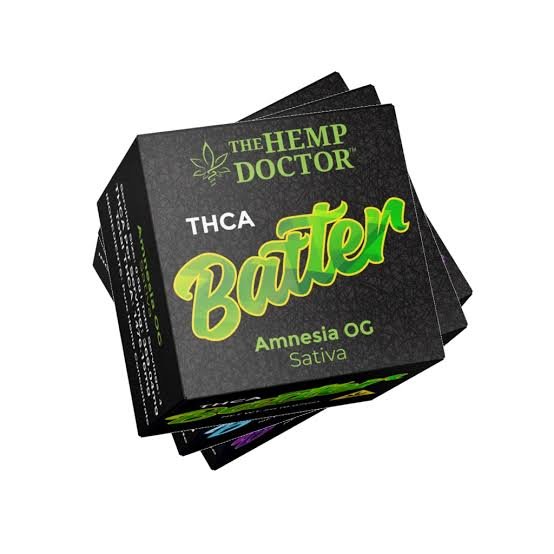
Consumers researching options may come across product pages such as The Hemp Doctor’s Best THCA. Regardless of the retailer, the same evaluation principles apply: check the ingredients, review available testing, understand the cannabinoid content and avoid assuming that a product description establishes safety or legality.
Be particularly cautious about claims that a cannabinoid product can diagnose, treat or cure a medical condition. A product being sold online does not mean it has been approved as a medicine or shown to be effective for a particular health concern.
What Do Health and Safety Findings Tell Us?
Hemp-derived products can have health risks, particularly when they contain intoxicating cannabinoids or have unclear manufacturing histories. Potential concerns include unexpected impairment, inconsistent concentrations, contamination and accidental exposure by children or pets.
The U.S. Food and Drug Administration reported receiving 104 adverse-event reports involving delta-8 THC products between December 1, 2020, and February 28, 2022. Of those reports, 55% involved an intervention such as emergency medical evaluation or hospital admission. These reports do not establish the rate of harm among all consumers or prove that every reported event was caused by a product, but they highlight why product composition and safety information matter. The FDA also notes that delta-8 THC products have not been evaluated or approved by the agency for safe use.
People taking prescription medication, those with underlying health conditions and anyone who is pregnant or breastfeeding should seek advice from a qualified healthcare professional before using cannabinoid products. Intoxicating products can impair driving and other activities requiring attention and coordination.
How Do Laws Affect Hemp-Derived Products?
Legal status depends on the product, its cannabinoid profile, where it is sold and the rules that apply in that location. Federal definitions, state restrictions and regulations governing food, supplements, cosmetics or medicines may differ.
A product advertised as hemp-derived should not automatically be assumed legal in every state. Laws and regulatory interpretations can also change, so consumers should check current official requirements before purchasing, possessing or transporting a product across state lines.
Extra care is warranted with products containing concentrated or converted cannabinoids. Their availability online does not establish that their formulation, labeling or sale complies with all applicable laws.
What Should You Check Before Making a Decision?
A few practical checks can help consumers assess a product more carefully:
- Read the full ingredient list and cannabinoid breakdown.
- Look for a recent, batch-specific certificate of analysis.
- Check whether the manufacturer provides clear contact information and product documentation.
- Be skeptical of unsupported medical claims or promises of guaranteed effects.
- Confirm the legal status of the specific product in your location.
- Store cannabinoid products securely and away from children and pets.
If essential information is missing, it is reasonable to delay a decision rather than rely on assumptions.
Conclusion
Hemp-derived cannabis products are not all alike. Their effects, quality, risks and legal status can vary according to the cannabinoids they contain, how they are manufactured and where they are sold.
Understanding the difference between CBD, THC and THCA, checking independent laboratory reports and questioning unsupported marketing claims can help consumers make better-informed decisions. Most importantly, the term “hemp-derived” should never replace careful evaluation of a product’s contents, potential risks and current legal requirements.
Leave a Reply