
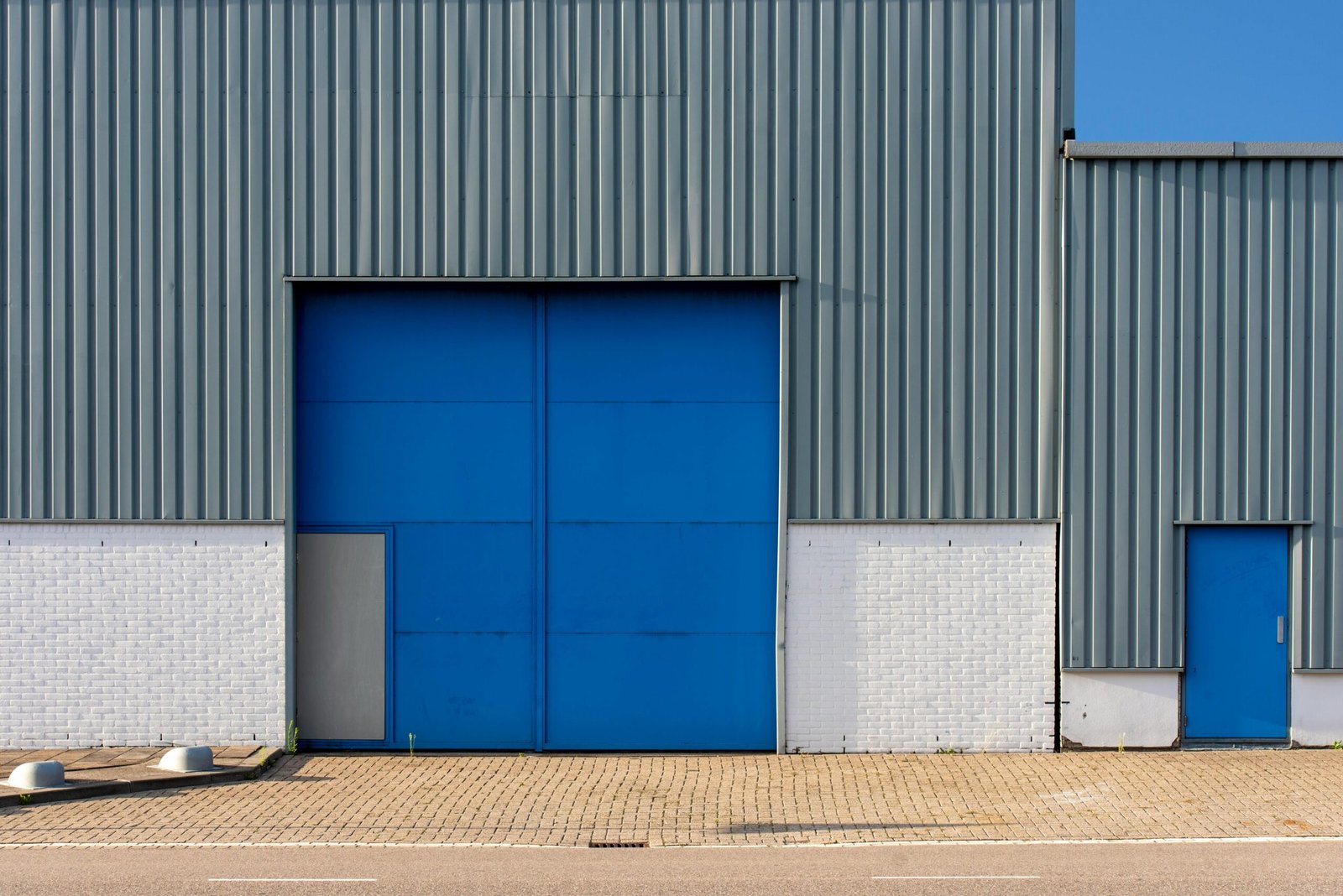
Performance in a commercial space is tested daily, especially where movement never really slows. A commercial space is expected to handle pressure, pace, and constant activity without missing a beat. That this-should-be-fine-for-now mindset often creeps in, especially when operations seem steady on the surface. Yet behind that surface, small inefficiencies begin forming quietly. A delayed entry point, a cramped pathway, or a worn system can start affecting everything. Have those subtle slowdowns ever been noticed during peak hours but brushed aside?
High performance is not created by accident. It is built through careful planning, durable systems, and consistent upgrades that support real-world use. In places like New York City, where demand remains constant, this approach becomes even more important. When a space is designed to handle pressure, it performs reliably under strain. When it is not, stress builds across every operation. A lasting commercial setup depends on how well it supports movement, durability, and adaptability over time.
Fix The Flow First – Because Movement Drives Everything
Movement shapes how efficiently a commercial space performs. When access points are slow or unreliable, operations begin to lag. Workers pause, equipment waits, and timelines stretch longer than expected. These delays may seem minor, yet they affect overall productivity in noticeable ways.
Upgrading entry systems can resolve these issues quickly. Businesses that depend on frequent access often benefit from working with a reliable company that offers installation of commercial garage doors in NYC. This approach helps improve speed and durability at key points across the facility. Entry systems are designed for heavy use, allowing smoother transitions between areas without constant interruptions. When access improves, workflow becomes more consistent and predictable.
Internal pathways should also be reviewed carefully. Cluttered routes and poor layout decisions can slow movement across teams. When space is organized properly, tasks are completed faster and with less effort. A well-planned layout reduces unnecessary steps and keeps operations steady.
Is movement being affected by small design flaws that seem harmless? Even minor adjustments can restore efficiency – and that efficiency keeps everything running smoothly.
Stop The Bottlenecks – They Build Faster Than You Expect
Bottlenecks rarely appear suddenly. They develop over time in areas where tasks overlap or space is limited. Loading zones, shared workspaces, and storage areas are common points where congestion forms. Once it starts, productivity drops quickly.
These issues are often caused by outdated layouts or unclear processes. When too many tasks depend on a single area, delays become unavoidable. That pattern repeats daily, reducing output without clear explanation. Addressing these pressure points early prevents larger disruptions later.
Consider a distribution hub during a busy shift. Workers move quickly, yet one loading area becomes overwhelmed. Packages begin stacking, and teams wait for space to clear. The delay spreads across operations, affecting schedules and customer expectations. A simple adjustment, such as redistributing tasks or improving layout, could prevent that buildup – a small change creates a major impact.
Communication also plays a role. When instructions are unclear, tasks may be repeated or delayed. Clear systems reduce confusion and keep work moving forward efficiently.
Simple Upgrades That Keep Performance Steady
Improving performance does not always require large-scale changes. Small, consistent upgrades can deliver strong results when applied properly.
- Keep pathways clear to support uninterrupted movement across all areas
- Organize storage zones so materials remain easy to access quickly
- Schedule regular equipment checks to avoid unexpected downtime
- Use clear signage to guide movement and reduce confusion
- Train staff to follow consistent procedures across all tasks
- Monitor high-traffic areas to identify and resolve issues early
These steps are simple, yet they create a strong foundation for performance. When systems are organized, tasks are completed faster and with fewer errors. Consistency turns these actions into reliable daily results.
Do these habits feel too basic to matter? In reality, they shape how efficiently operations run every single day.
Think Long-Term – Where Strength And Value Come Together
A high-performance commercial space is built with durability in mind. Short-term fixes may solve immediate problems, yet they rarely support long-term success. Planning ahead allows upgrades to be made with purpose, which improves both reliability and efficiency.
Material choices play a key role in this process. Investing in durable options such as quality commercial flooring ensures surfaces can handle heavy use without constant repairs. These upgrades reduce maintenance needs and keep the space functioning consistently over time.
Systems should also be designed to adapt. As demand increases, the space should handle additional pressure without major changes. This flexibility supports growth without creating disruption. When upgrades are planned early, they strengthen the entire operation.
Have upgrades been delayed because everything still works? That approach often leads to missed opportunities. Improving systems early ensures better performance and avoids sudden failures.
In the end, building a commercial space that lasts comes down to removing friction and improving flow. When movement is optimized, bottlenecks are reduced, and systems are maintained, performance improves naturally. That steady approach keeps everything running as it should – and that consistency makes all the difference over time.
Leave a Reply