
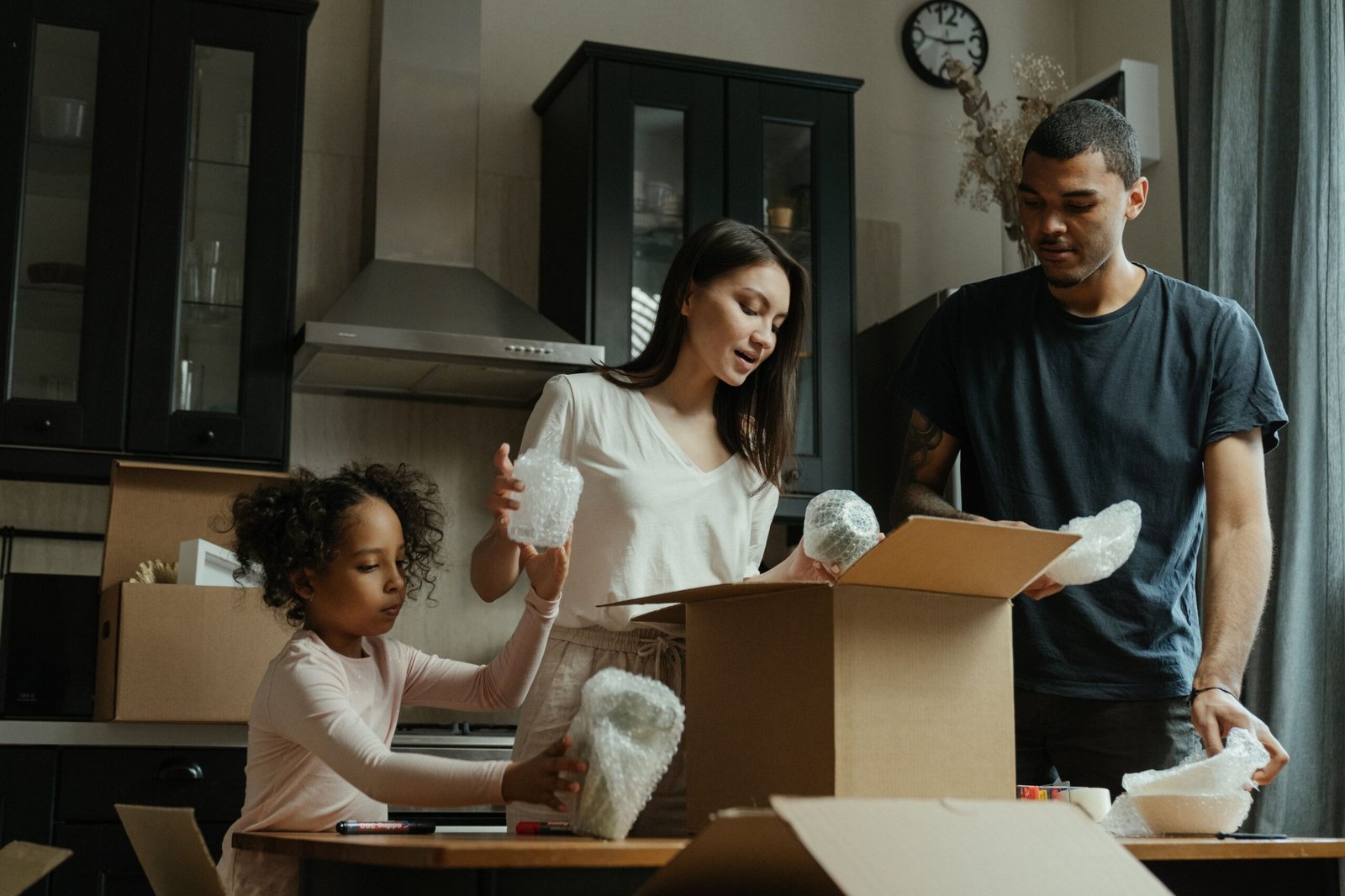
Moving can feel like your whole house decided to become a puzzle overnight. Even when the move is exciting, the details can pile up fast. If you want the process to feel calmer, it helps to focus on a few smart habits before boxes start taking over the living room. With a clear plan, you can protect your time, your energy, and your belongings while making the shift to a new home feel far more manageable.
Start With The Right Help
One of the best ways to reduce moving stress is to decide early how much help you need. If you are staying within the same area, professional local moving services can make a major difference. They handle the heavy lifting, help protect furniture, and keep the day moving on schedule.
This matters even more if you have stairs, large furniture, or a busy family routine. A short move can still be demanding. In many cases, it feels harder than expected because you assume it will be simple. Then the sofa disagrees.
When comparing movers, look for clear communication, transparent pricing, and experience with residential moves. Ask what is included, how they handle fragile items, and whether they offer packing support. Getting help lined up early gives you one less thing to worry about later. That peace of mind is often worth as much as the truck itself.
Create A Simple Timeline
A move becomes easier when you stop treating it like one giant task. Break it into small steps over several weeks. That way, you are not trying to pack the entire kitchen at 10 p.m. the night before.
Start with a calendar and mark key dates. Include your moving day, utility transfers, address updates, and the last day for regular grocery shopping. Then work backward. Assign one or two tasks to each week so the list stays realistic.
A simple timeline might include:
- Four weeks out: book movers and collect supplies
- Three weeks out: start sorting storage areas
- Two weeks out: pack things you rarely use
- One week out: confirm details and prepare essentials
Leave some breathing room. Life rarely follows a perfect schedule, and that is normal. If a task takes longer than planned, adjust and move on. A flexible plan works better than a perfect one you cannot keep.
Sort Before You Pack
Packing is much easier when you are not boxing up things you do not want anymore. Before you tape a single box shut, go through your home and make honest decisions. If something has not been used in years, this may be the right time to let it go.
Work room by room so the process does not become overwhelming. Create simple groups like keep, donate, sell, and discard. That method keeps decisions clear and helps you avoid the classic move of carrying clutter from one closet to another in a new zip code.
Start with low-emotion spaces like bathrooms, laundry areas, or hall cabinets. Save sentimental items for later, when you have more energy. You do not need to make dramatic choices. Just focus on what still fits your life.
The reward is immediate. You will need fewer boxes, less packing time, and possibly less moving cost. Your new home will also feel easier to organize from the start.
Pack With Daily Life In Mind
Packing is not just about fitting items into boxes. It is about making sure you can still live normally before the move and recover quickly after it. That means thinking beyond tape and bubble wrap.
Label every box with the room and a short note about what is inside. “Kitchen” helps, but “Kitchen – Coffee Supplies” helps a lot more on your first morning. You will thank yourself when you can find the mugs before your patience runs out.
Pack an essentials box for the first day and night. Include items such as:
- Medications
- Phone chargers
- Basic toiletries
- A change of clothes
- Paper towels
- Snacks and water
- Important documents
Keep that box with you instead of loading it deep into the truck. It also helps to pack by routine, not just by room. If your children need bedtime items or your pet needs familiar supplies, keep those easy to reach. A practical packing plan makes the transition feel far less disruptive.
Prepare Your Home For Movers
A little preparation inside both homes can save time and prevent problems on moving day. Start by clearing walkways and removing small items that could get in the way. Shoes, rugs, baskets, and floor lamps often become obstacles when people are carrying large furniture.
If possible, reserve a parking spot close to the entrance. This is especially helpful in busy neighborhoods or apartment areas. Less distance between the truck and the door usually means a smoother and faster move.
You should also measure doorways, hallways, and stairwells if you have large items. It is much better to learn ahead of time that a table will need disassembly. Surprises are fun for birthdays, not for dressers.
At the new home, make sure utilities are on, floors are clean enough for traffic, and key spaces are easy to access. If you want movers to place boxes in specific rooms, label those rooms clearly. Simple preparation helps everyone work more efficiently.
Keep Moving Day Manageable
Moving day can feel busy, but it does not need to feel chaotic. Start early and keep the most important items with you. This includes identification, paperwork, keys, medication, and anything valuable or fragile that you prefer to transport yourself.
Try to be available for questions without hovering over every step. Movers may need direction about certain boxes, furniture placement, or fragile pieces. A calm point of contact helps the day stay organized.
If you have children or pets, make a plan before the truck arrives. Some families arrange child care or keep pets in a quiet room until it is time to leave. That reduces distraction and helps everyone stay safe.
Small delays can happen, especially with weather, traffic, or building access. If something shifts, focus on what still needs attention instead of what went off schedule. Staying steady matters more than staying perfectly on time. A clear head often solves more than a rushed one.
Settle In With Less Mess
Once you arrive, it can be tempting to unpack everything at once. Usually, that creates more frustration than progress. Start with the rooms you need most, such as the bedroom, bathroom, and kitchen. When those spaces are functional, the whole home feels more comfortable.
Open the essentials box first. Then make the bed, plug in chargers, and set up toiletries. Those simple steps create a sense of order right away. After that, move to daily-use items like dishes, work supplies, and clothes.
Do not worry if decorative pieces, storage bins, or guest room items wait a few days. A home does not need to be finished immediately to feel welcoming. It only needs to support your routine.
Take a little time during the first week to notice what is working and what is not. You may find better places for furniture or better storage ideas once you live in the space. Settling in is a process, and giving yourself room to adjust makes the new home feel truly yours.
Leave a Reply