
Choosing to get a carer for an elderly relative at a big decision. Often it comes after a lot of deliberation and can be that they might benefit from a care home, but don’t wan to leave their house. It could be that your relative simply isn’t coping living by themselves anymore, perhaps they’re lonely, or they might just need a bit of extra help. No matter the reason, choosing the right care for them is a big deal, and you want to ensure your relative is ready for this. In this article we take a look at some top tips to preparing an elderly relative for getting home care. Keep reading to find out more and get inspired.
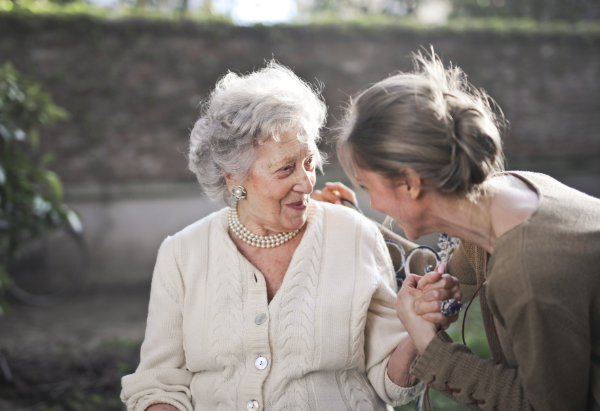
Photo by Andrea Piacquadio from Pexels: https://www.pexels.com/photo/two-adult-women-beside-each-other-3768114/
Involve them in the decision-making process
One of the most important parts of introducing at-home care is communication. For many elderly people, accepting help can feel difficult at first, especially if they’ve always been independent. Rather than making decisions for them, try to involve them in conversations from the beginning. Ask how they’ve been coping at home, whether there are tasks they’re finding difficult and what kind of support they feel comfortable with. Keeping the conversation calm, supportive and positive can help them feel heard rather than pressured.
It’s also helpful to focus on the benefits of home care rather than making it seem like they are losing independence. Receiving support with things such as housekeeping, meal preparation or medication reminders can actually help them stay independent for longer while improving their quality of life.
Start with small changes
Introducing care gradually can often make the adjustment feel much less overwhelming. Rather than immediately arranging full-time support, it can help to begin with shorter visits a few times a week. This gives your loved one the opportunity to build trust and familiarity with their caregiver while easing into a new routine naturally.
Many families find that starting with companionship visits works particularly well. A caregiver can pop in for a chat, help with light household tasks or accompany them on walks and errands. Over time, additional support can then be added if needed.
Prepare the home environment
Before care begins, it’s a good idea to make sure the home environment is safe, comfortable and practical. Small adjustments can make a huge difference to both your loved one and the caregiver providing support. This could include decluttering walkways, improving lighting, adding grab rails in bathrooms or ensuring frequently used items are easy to reach.
These are just a few top tips for helping to prepare an elderly relative for introducing home care to their lives. No matter how much they want it and are ready, it’s still a big move and something not to be taken lightly. You want to ensure they are happy, prepared and know what to expect. What are some top tips you have for helping prepare an elderly relative for at-home care? Let us know in the comments below, we’d love to hear from you.
Leave a Reply