
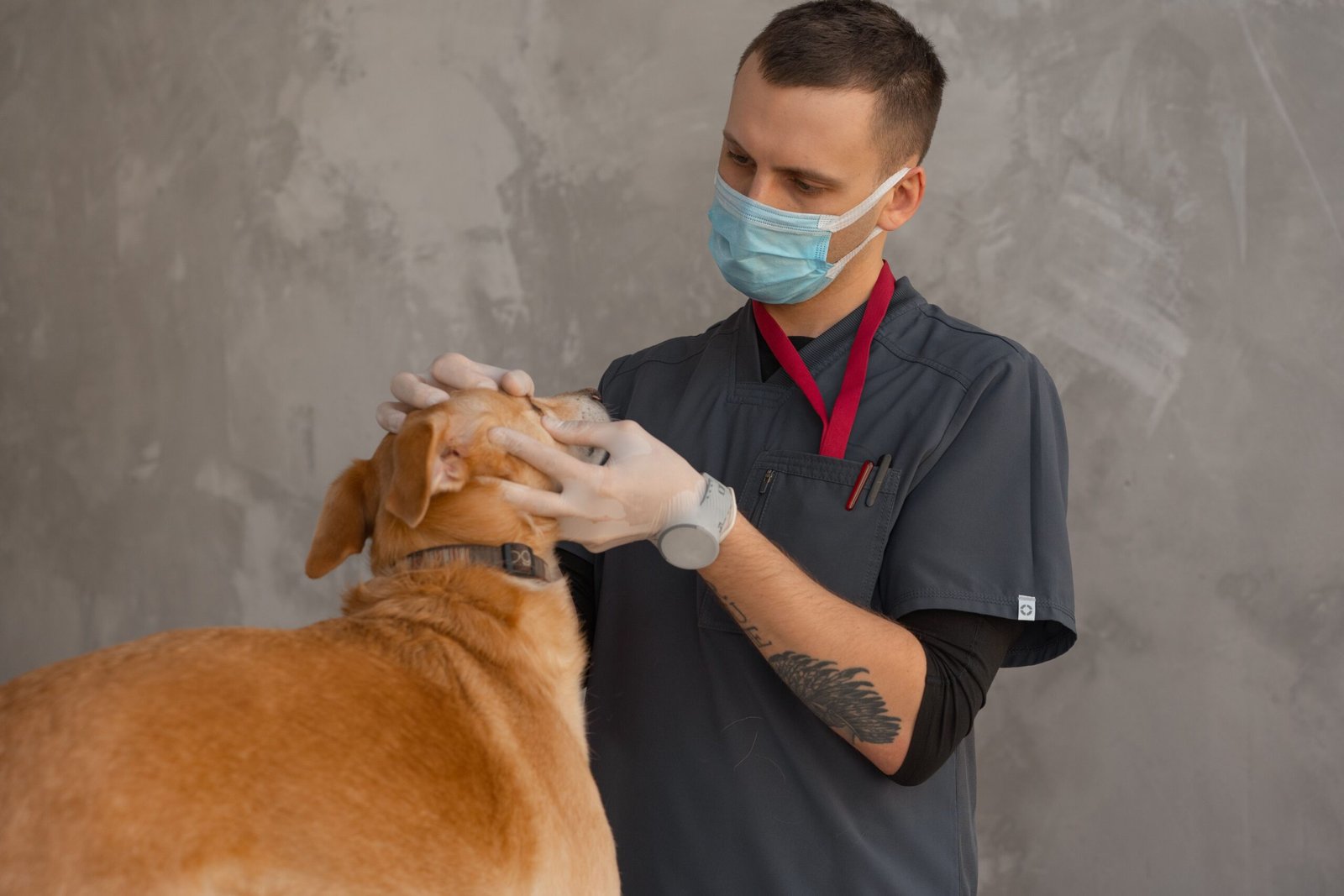
Dogs and cats are remarkably good at hiding discomfort. As a result, a sore mouth can go unnoticed for months while it slowly changes how an animal eats, plays, sleeps, and responds to the people around it. Many owners notice a shift in mood or habits long before they think to look at their animal’s teeth.
Understanding how oral health, lasting pain, and behavior are linked helps families catch problems earlier. It also explains why a once playful dog may become withdrawn, or why a friendly cat may suddenly hiss when touched near the face.
When Mouth Problems Go Beyond a Simple Cleaning
Many dental issues begin quietly and can be managed with regular checkups and good home care. Some cases, however, reach a point where cracked teeth, deep infection, or loose roots need surgical treatment because a routine cleaning can no longer remove the source of pain. In these situations, a veterinary team that can safely perform procedures under anesthesia offers the most reliable path back to comfort.
Owners facing this stage should work with a veterinary clinic that offers pet surgical services so the damaged areas can be treated properly and healing can begin. Once the source of pain is gone, many animals return to their usual habits sooner than their families expect.
How Oral Disease Develops in Dogs and Cats
Problems in the mouth usually start with plaque, a soft film of bacteria that forms on the teeth after eating. If it is not removed, it hardens into tartar, which sits along the gumline and irritates the tissue. Over time, the gums become red, swollen, and tender.
If the irritation continues, infection can move below the gumline and damage the structures that hold the teeth in place. Teeth may loosen, roots may become infected, and pockets of pus can form.
Why Pain in the Mouth Is So Easy to Miss
Most animals keep eating even when their mouths hurt, because hunger is a powerful drive. Instead of showing pain openly, they quietly work around it.
A dog might chew only on one side, swallow food whole, or drop pieces of kibble on the floor. A cat might approach the bowl with interest and then walk away after a few bites.
The Link Between Lasting Pain and Changes in Behavior
Ongoing discomfort affects more than the body. It wears down patience, disrupts rest, and changes how an animal feels about being handled. When pain never fully goes away, the nervous system can become more sensitive, so even light touch may feel unpleasant.
Common behavioral changes linked to oral pain include:
- Snapping or pulling away when touched near the face
- Less interest in toys, especially chew toys
- Hiding more often or spending time alone
- Restless sleep or trouble settling at night
- Reduced grooming in cats, leading to an untidy coat
How Mouth Infections Can Affect the Whole Body
Oral health is closely tied to the overall health of the body. Infected gums give bacteria a direct route into the bloodstream, and veterinarians have long worried that this may gradually put added pressure on vital organs such as the heart, liver, and kidneys over time.
A lingering infection can also leave an animal sluggish and out of sorts. Bad breath, which many assume is normal, is often an early warning sign. Treating it as a reason for a closer look, rather than a harmless quirk, can help protect an animal’s health well beyond the mouth.
Warning Signs Owners Should Watch For
Looking at the mouth regularly and noticing changes in eating or daily habits helps families spot trouble early. Signs that may point to oral pain include:
- Red, swollen, or bleeding gums
- Brown or yellow buildup on the teeth
- Drooling, sometimes with traces of blood
- Swelling under the eye or along the jaw
- A sudden preference for soft food
If several of these appear together, or a behavior change has no clear cause, a veterinary exam is a sensible next step.
Supporting Oral Health at Home
Daily care at home makes a real and lasting difference. Brushing with a toothpaste made for animals is one of the most effective habits a family can build. Human toothpaste should never be used, because some ingredients can be harmful to dogs and cats.
Starting slowly helps animals accept brushing. Let them lick a little toothpaste from your finger first, then gently rub along the gums before introducing a soft brush. Dental chews, avoiding very hard chew items, and regular wellness exams also help keep the mouth healthy.
How Comfort Restores Normal Behavior
One of the most encouraging parts of addressing oral pain is how much an animal can change once the discomfort is gone. Owners are often surprised to see an older dog start playing again or a quiet cat begin seeking attention once more. Behaviors that seemed permanent often turn out to have been the animal’s way of coping.
Recovery usually takes some patience. Animals may need soft food for a short time, along with medication and quiet rest while the mouth heals. As the soreness fades, appetite tends to return, sleep improves, and the animal becomes more relaxed with handling.
Leave a Reply