
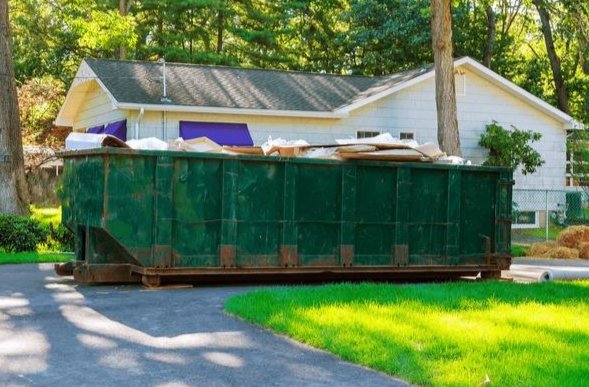
During an estate cleanout, most ordinary household items, furniture, clothing, and non-hazardous debris can go in a dumpster, but hazardous chemicals, certain electronics, batteries, and other restricted materials may require special disposal. Knowing what is allowed before loading the container helps prevent extra fees, collection delays, and environmental problems. Checking the rental provider’s rules is especially important when clearing an entire home that contains a mixture of belongings, furniture, appliances, and stored materials.
Los Angeles is a large metropolitan area with a wide range of residential properties, from apartments and condominiums to single-family homes and larger estates. Clearing a property can generate substantial waste, particularly when a home has accumulated furniture, personal belongings, and years of household items. Arranging estate cleanout dumpster rental in Los Angeles can help organize the removal process by providing a designated container for eligible debris.
Key Takeaways
- Furniture, clothing, and ordinary household debris are often accepted.
- Hazardous chemicals, fuels, batteries, and certain electronics require special handling.
- Sort valuables, documents, donations, and recyclables before loading.
- Confirm restrictions for appliances, mattresses, and heavy materials.
- Follow weight limits and fill-line requirements to avoid extra charges.
- Always verify accepted materials with the dumpster rental provider.
What Can Usually Go in a Dumpster?
Many common household items are accepted in standard roll-off dumpsters, although acceptance depends on the provider and container type.
Typical examples include:
- Old furniture, such as tables, chairs, and dressers
- Mattresses and bed frames, subject to provider rules
- Clothing, toys, and general household clutter
- Carpets, rugs, and non-hazardous flooring materials
- Wood, drywall, and other permitted renovation debris
- General trash from clearing closets, garages, and storage areas
Before loading bulky items, check whether there are restrictions on mattresses, upholstered furniture, or unusually heavy materials. Some items may require separate handling or incur additional charges.
What Should Not Go in a Dumpster?
Certain materials can create fire risks, environmental hazards, or disposal problems. They should never be placed in a container unless the provider explicitly confirms that they are permitted.
Common restricted materials include:
- Paints, solvents, pesticides, and other hazardous chemicals
- Gasoline, fuel, and other flammable liquids
- Propane tanks and pressurized cylinders
- Batteries, especially damaged lithium-ion batteries
- Medical waste and certain biological materials
- Asbestos-containing materials
- Tires and some automotive fluids
Electronics and appliances may also be subject to special disposal requirements. Refrigerators, freezers, and air conditioners can contain refrigerants that require proper handling. Contact the rental provider or an approved recycling facility for instructions.
How to Handle Personal Documents and Valuables
Estate cleanouts often involve more than waste removal. Documents, photographs, jewelry, financial records, and family keepsakes can be mixed in with ordinary clutter.
Before discarding anything, separate items that need to be reviewed by family members or an estate representative. Shred sensitive documents through an appropriate service rather than leaving personal information exposed. Check drawers, boxes, books, and storage areas carefully before placing their contents in the dumpster.
Why Sorting Items Before Loading Matters
Loading everything without sorting may seem faster, but it can lead to prohibited items being mixed with acceptable debris. This may create extra work if the container needs to be unloaded or certain materials removed.
Create separate areas for reusable belongings, donations, recyclables, hazardous materials, and general waste. Items in good condition may be suitable for donation, while electronics and certain appliances may be accepted by specialized recycling programs.
When arranging an estate cleanout dumpster rental, ask for the provider’s accepted-material list before the container arrives. This simple step helps you decide which items can go directly into the dumpster and which need another disposal method.
How to Avoid Extra Charges
Rental agreements may include restrictions on weight, prohibited materials, overfilling, and the placement of the container. Exceeding the weight limit or placing restricted items inside can result in additional charges.
Keep debris below the fill line, distribute heavy materials evenly, and avoid placing items above the container’s rim. If the estate contains construction debris, concrete, large appliances, or other unusual materials, confirm the appropriate container and disposal arrangements in advance.
Leave a Reply