
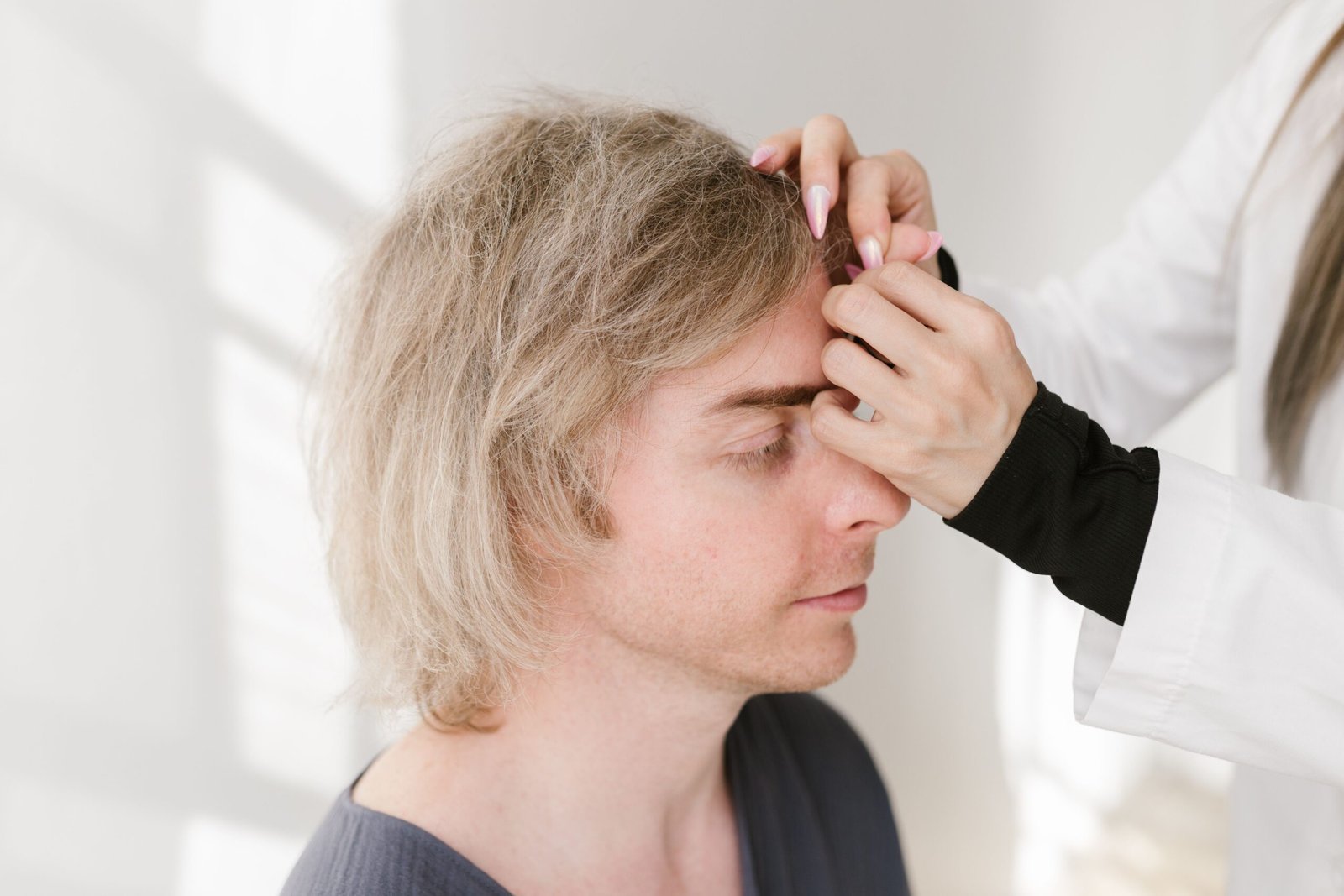
That moment when someone tells you a hair screening is part of the process can make an ordinary week feel a little longer than usual.
Most people are not worried about the actual collection of a hair sample. What tends to create stress is not knowing what will happen, how the sample is handled, or how long the process takes. Once the steps are understood, the experience usually feels much more routine than expected.
Understanding Why Hair Screening Is Used
Hair screening is often used when organizations want a longer view of certain patterns or behaviors than other forms of testing can provide. It may be part of employment requirements, professional licensing procedures, legal matters, or other screening programs. The exact reason varies, but the process itself tends to follow established procedures designed to keep results consistent and reliable.
For most people, the unfamiliarity creates more anxiety than the collection itself. A great deal of attention is placed on sample handling, documentation, and verification. The goal is usually to make sure the sample belongs to the correct person and reaches the laboratory without unnecessary complications.
Researching Hair Screening Before an Appointment
Before a screening appointment, many people spend time reading forums, articles, and personal experiences online. Some research focuses on how hair analysis works, while other discussions center on preparation methods that individuals have shared over the years. The amount of information available can be overwhelming because different sources often make different claims, and not all of them explain how laboratory testing actually operates.
It is common to come across discussions about the Macujo method, a hair-cleansing regimen that some people use before a hair follicle drug test. Many people greatly benefit from a Macujo method step by step guide. Whether someone is reading about preparation approaches, personal experiences, or general information, it is important to remember that screening outcomes are determined through laboratory procedures rather than internet discussions. Understanding the screening process itself is usually more helpful than relying on assumptions about how it works.
What Happens During Sample Collection
The collection process is generally straightforward. A trained collector gathers a small amount of hair, usually from the head, although other body hair may sometimes be used when necessary. Many people expect a large section of hair to be removed. In practice, the amount is usually much smaller than anticipated. The collector often takes hair from an area where the sample is less noticeable. For most individuals, there is little visible difference afterward.
The sample is then prepared for documentation. Information is recorded, forms may be reviewed, and procedures are followed to establish what is often called a chain of custody. That phrase sounds technical, but it simply refers to tracking who handled the sample and when.
The Importance of Documentation
Most people focus on the sample collection itself and barely think about the paperwork, yet documentation is one of the most important parts of the entire process. Details such as names, dates, identification records, and collection information are reviewed carefully to help ensure everything remains accurate from start to finish. A small error on a form can create questions later, which is why so much attention is given to record-keeping.
This approach is not unique to hair screening. Similar procedures are used in hospitals, legal offices, and workplaces every day. The goal is fairly simple: clear records help prevent misunderstandings and keep the process organized.
What Happens Inside the Laboratory
Once the sample arrives at the laboratory, it enters a controlled testing environment. The hair is prepared according to laboratory protocols before analysis begins. Various procedures may be used depending on the type of screening being performed. Most people never see this stage, which is one reason misconceptions are common.
Laboratory testing tends to be far more structured than many assume. Samples are processed under established guidelines, and quality-control measures are often built into the workflow. Results are not generally based on a quick inspection or a single observation. There is a tendency online to simplify laboratory work into a few basic steps. The reality is usually more complicated than that.
Waiting for Results
For many individuals, waiting after a hair drug test becomes the most difficult part of the experience. They feel anxious. The collection appointment may take only a short time, but laboratory analysis requires additional processing. Depending on the organization, reporting procedures, and testing requirements, results may not be available immediately.
During this period, people often search for answers online. They compare timelines, read personal stories, and try to predict outcomes. That is understandable, although it does not always reduce stress. Every case moves through its own process. Timelines can vary.
Common Misunderstandings
A lot of people assume hair screening only shows what happened very recently, but that is not usually why this type of drug testing is used. Hair samples may give a broader view than some other methods, which is one reason they are chosen in certain settings. There is also a belief that every lab follows the exact same process. Basic standards may be similar, but reporting times, collection rules, and internal steps can still vary from one place to another.
Another small surprise is the sample size. People often picture a noticeable chunk being cut, when it is usually a modest amount taken from a less obvious area. Most confusion comes from simple unfamiliarity.
Why Preparation Often Means Understanding the Process
When people hear the word preparation, they sometimes think only about actions taken before an appointment. In many cases, preparation simply means understanding what will happen. Knowing how samples are collected, documented, transported, and analyzed removes much of the uncertainty. The process becomes less mysterious and more procedural.
That does not mean concerns disappear completely. Important screenings naturally carry weight. Job opportunities, certifications, and other outcomes may depend on them. Still, familiarity tends to make the experience easier to navigate.
Most hair screening appointments are routine events handled through established systems that have been used for years. Once people understand the sequence of events, they often realize the process is more structured and usually more predictable than they first imagined.
Leave a Reply