
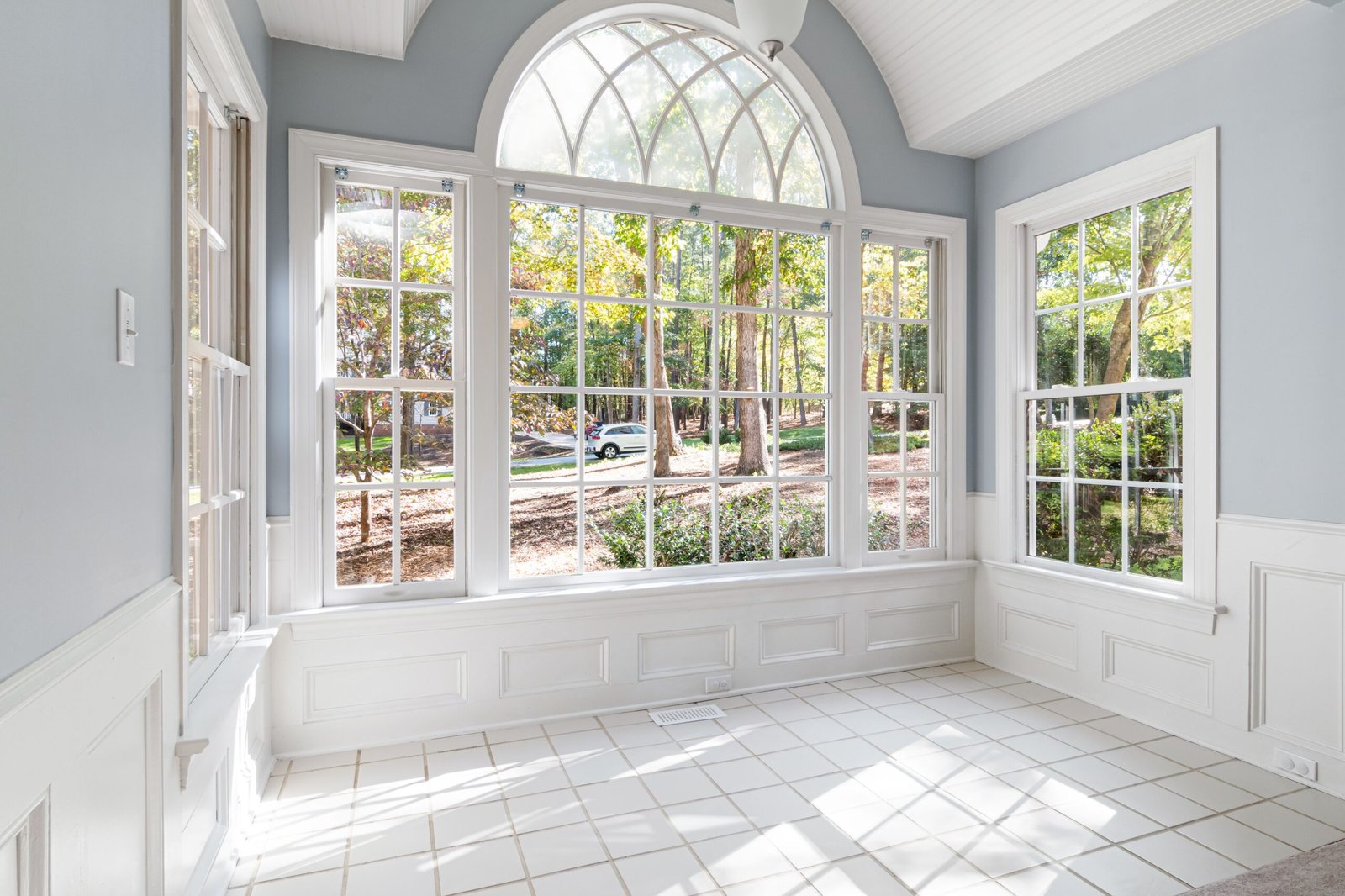
A sunroom can look like the easiest home upgrade ever: more light, more space, more time near the outdoors without battling bugs, humidity, or surprise rain. In real life, the decision has more moving parts. You’re not just adding a pretty room.
You’re shaping how you relax, entertain, heat, cool, and even sell your home later. A smart plan keeps the project exciting instead of expensive in all the wrong ways.
Start With How You’ll Actually Use the Space
Before you compare styles or scroll through dreamy photos, get honest about daily life. A sunroom used for morning coffee needs something different from a space meant for family dinners, homework, or weekend guests.
If you want year-round comfort, insulation and HVAC connections matter. If you mainly want a bright seasonal hangout, a simpler setup may do the job. Think about your schedule too. If the room gets the strongest sun in the late afternoon, it might feel amazing in winter and a bit like a greenhouse with opinions in July.
Make a short list of non-negotiables:
– Four-season or three-season use
– Dining, lounging, work, or plant space
– Privacy from neighbors
– Storage for cushions, games, or pet gear
Choose the Right Type of Sunroom for Your Climate
Weather decides more about an addition than most homeowners expect. A room built for mild summers behaves very differently once humidity climbs or temperatures drop, and the wrong build leaves you with square footage you avoid half the year.
Screen rooms give you airflow and bug protection with no defense against cold. Three-season rooms carry you through spring, summer, and fall. Four-season rooms handle heating and cooling year-round. Getting that call wrong is expensive to undo, so a sunroom enclosure should be specified around the climate it will sit in. A good installer sorts through the glass and framing options with you before anything is ordered.
The details that matter are rarely the ones that photograph well. Insulated framing, energy-efficient glass, UV protection, and moisture handling determine whether the room stays comfortable. Condensation, glare, and heat gain sound boring until you’re sitting in there sweating through movie night.
Your zip code matters. A design that works beautifully in one region turns into a maintenance headache in another.
Think Beyond Looks and Check the Structural Details
This is the part many homeowners rush through because trim colors and furniture are more fun. Fair enough. Still, the structure decides whether your sunroom feels solid and comfortable five years from now.
Start with the foundation. Some sunrooms can be built on existing patios, but not every slab is suitable. Drainage, leveling, and load-bearing capacity need a close look. Roofing matters too. A glass-heavy design may look stunning, but too much overhead sun can create temperature swings and eye-piercing glare.
You’ll also want to ask about:
– Roof style and water runoff
– Window operation and ventilation
– Door placement and traffic flow
– Electrical needs for lighting and outlets
– Permit requirements and inspections
A polished render can hide weak planning. Good builders talk clearly about engineering, weatherproofing, and code compliance. If the answers sound slippery, that’s your cue to step back.
Budget for the Full Project, Not Just the Build
The sticker price is only one piece of the puzzle. A sunroom budget usually grows once flooring, lighting, furniture, window treatments, and heating or cooling enter the chat.
Set your number in layers. First, the structure itself. Then add finish costs and comfort upgrades. If you’re connecting the room to your home’s electrical system or HVAC, labor can move quickly. Custom shades or low-E glass may cost more upfront, yet they can save money and frustration later.
A realistic budget often includes:
– Design and installation
– Site prep or foundation work
– Permits and inspections
– Flooring and paint
– Ceiling fans or mini-split systems
– Furniture made for sun exposure
Plan for Comfort in Every Season
A sunroom that looks beautiful but feels awkward half the year won’t get much use. Comfort needs to be built in from the start, especially if you want the room to function like real living space rather than a bright photo backdrop.
Temperature control comes first. Insulated glass, ceiling fans, shades, and dedicated cooling or heating options can dramatically improve usability. Orientation matters as well. South- and west-facing rooms often collect serious heat. North-facing rooms usually feel softer and more consistent.
Don’t ignore sound either. Heavy rain on certain roof types can turn a quiet afternoon into a percussion concert. Glare is another issue. If you work remotely or want to watch TV in the room, direct sun can be annoying fast.
Make the New Room Feel Connected to the Rest of Your Home
The best sunrooms don’t feel like an afterthought tacked onto the back of the house. They feel integrated, both visually and functionally. That means paying attention to transitions.
Match floor height if possible. Keep doorways wide and easy to navigate. Use colors and finishes that relate to nearby rooms, even if the sunroom has its own personality. If your home has a modern interior and the sunroom looks like a rustic lodge, the shift can feel abrupt.
You should also think about traffic patterns. Will people walk through the sunroom to reach the yard? Is it next to a kitchen where drinks and snacks naturally travel? Placement changes how often the room gets used.
A connected design often boosts long-term value too. Buyers usually respond better to spaces that feel intentional, comfortable, and part of the home’s actual rhythm.
Work With Pros Who Understand Function, Not Just Style
You don’t need a sales pitch loaded with buzzwords and glossy promises. You need professionals who can explain trade-offs in plain language and help you avoid expensive missteps.
Ask for photos of completed projects, but go further. Ask how their rooms perform in peak summer heat, during storms, and across changing seasons. Find out what warranties cover, how installation timelines work, and who handles permits. A reliable company won’t dodge specifics.
Look for signs of a strong process:
– Clear written estimates
– Material details you can compare
– Timeline expectations with realistic buffers
– Answers about energy efficiency and maintenance
– Local knowledge of codes and weather patterns
A good team helps you build a room you’ll use, not just admire for two weeks. That difference matters. The right sunroom earns its square footage every single day.
Leave a Reply