
If you’re thinking about upgrading your home’s hot water setup, a tankless water heater probably keeps popping up for good reason. It promises endless hot water, less wasted energy, and a slimmer footprint than the old bulky tank in the corner. Still, the decision isn’t as simple as “newer equals better.” You need to know how these systems work, where they shine, and what can turn that dream shower into a lukewarm reality.
Installation Costs and Home Compatibility
Before you commit, it helps to know whether your home is an easy fit or a renovation plot twist. Electric tankless units may require a major panel upgrade. Gas models can need new venting and enough combustion air to operate safely.
Older homes sometimes need more work than expected. That can push installation costs well beyond the price tag of the heater itself. If your current plumbing layout is awkward, labor may climb too.
It’s also smart to think about where the unit will go. Tankless systems are compact, but placement still affects efficiency, maintenance access, and how long you wait for hot water at the tap.
If you already have a unit and it’s acting up, tankless water heater repair can be more practical than replacing it outright, especially when the issue involves scale buildup, ignition problems, or inconsistent water temperature.
How a Tankless Water Heater Actually Works
A traditional water heater stores and heats a big tank of water all day, even when you’re asleep or out. A tankless unit works on demand. When you turn on a hot water tap, cold water moves through the unit and gets heated by gas burners or electric elements almost instantly.
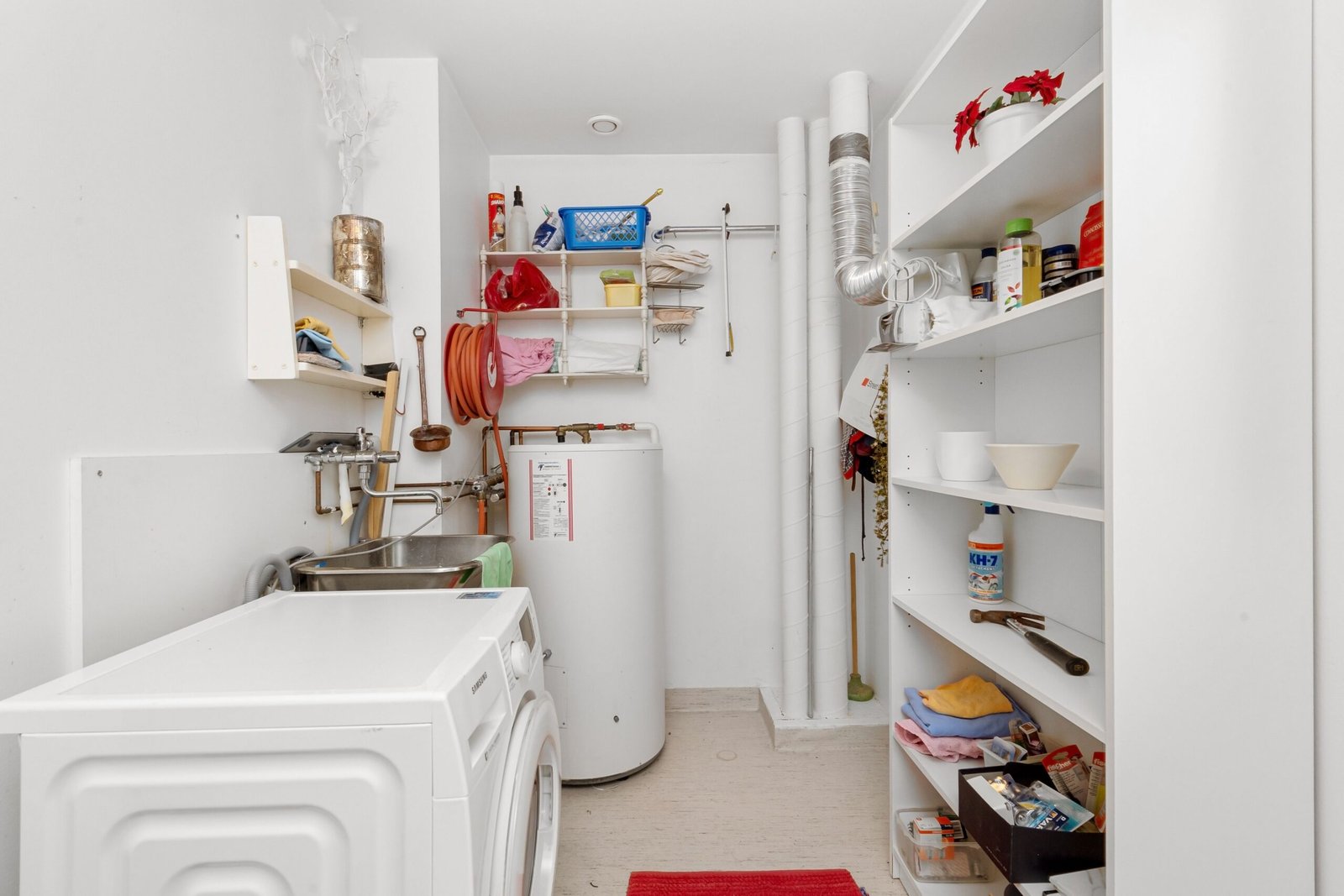
That setup sounds sleek, and it is. You’re not paying to keep 40 or 50 gallons hot around the clock. You also free up space, which matters if your utility room already feels like a game of storage Tetris.
Still, “endless hot water” comes with an asterisk. The unit has a flow rate limit. If two people shower while the dishwasher and washing machine are running, your system may start negotiating with your household in a very unfriendly way.
The Biggest Benefits You’ll Notice at Home
The main perk is efficiency. Since water heats only when you need it, you avoid standby heat loss. Over time, that can lower energy use, especially in homes where hot water demand is spread throughout the day instead of concentrated all at once.
You may also get a longer lifespan. Many tankless models last around 15 to 20 years with proper maintenance, often outliving standard storage-tank units. Parts can usually be replaced, which gives them an edge in long-term serviceability.
There’s also the comfort factor. If you live in a busy household, running out of hot water can feel like a daily betrayal. A properly sized tankless system helps prevent that. It’s especially useful if you have a large soaking tub, frequent guests, or teenagers who treat showers like extended meditation sessions.
The Drawbacks People Often Miss
The upfront price can sting. A tankless water heater usually costs more than a conventional system, and installation can get complicated fast. Gas units may need upgraded venting, larger gas lines, or electrical adjustments depending on your home’s setup.
Performance can also dip if the unit isn’t sized correctly. This is one of the most common mistakes. A household with multiple bathrooms has very different hot water needs than a one-bath home. If the flow rate is too low, someone’s shower gets sacrificed.
Another issue is the so-called cold water sandwich. That’s when you get a quick burst of hot water, then a short cool spell, then hot water again. It doesn’t happen in every home, but it’s a known quirk with some systems.
Hard water adds another complication. Mineral buildup can reduce efficiency and shorten the unit’s life if you skip regular descaling.
Sizing Matters More Than the Brand Hype
A flashy model with good reviews won’t help much if it can’t keep up with your actual demand. You need to look at gallons per minute, often called GPM, and compare that to how many fixtures you’re likely to use at once.
For example:
– A shower may use 2.0 to 2.5 GPM
– A bathroom faucet may use 0.5 to 1.5 GPM
– A dishwasher may use 1.0 to 2.5 GPM
– A washing machine may use 1.5 to 3.0 GPM
If your household might run two showers and a sink at the same time, that adds up quickly. Climate matters too. In colder regions, incoming groundwater is colder, so the heater has to work harder to raise the temperature.
This part is not guesswork territory. A proper load calculation gives you a much better shot at a system that performs well every day, not just on paper.
Maintenance Is Not Optional
Tankless systems are low-profile, not no-maintenance. That distinction matters. To keep them running efficiently, you’ll usually need periodic flushing to remove mineral deposits. In hard water areas, that task moves from “good idea” to “please don’t skip this.”
Basic maintenance often includes:
– Flushing the heat exchanger
– Cleaning or checking the inlet filter
– Inspecting the venting system
– Testing for error codes or ignition issues
– Checking valves and water pressure
If you ignore maintenance, efficiency can drop, and components can wear out faster. You might also notice reduced flow or temperature swings.
Some homeowners do basic flushing themselves, but not everyone wants to spend a Saturday wrestling hoses and vinegar buckets. Fair enough. Professional servicing can catch problems before they become expensive surprises.
When Tankless Makes Sense and When It Doesn’t
A tankless water heater makes a lot of sense if you want better energy efficiency, need to save space, or have a household that uses hot water in frequent waves throughout the day. It can also be a strong pick if you plan to stay in your home long enough to benefit from the longer lifespan.
It may be less appealing if your budget is tight, your home needs major utility upgrades, or your hot water use is simple and predictable. In a smaller household with modest demand, a standard high-efficiency tank model may offer a better value.
The best choice usually comes down to your actual routines, not marketing promises. Pay attention to usage patterns, local water quality, installation requirements, and maintenance expectations.
A tankless system can be a smart upgrade, but only when the fit is right. Hot water should feel dependable, not like a science experiment with plumbing jargon attached.
We got a tankless after our last 50 gallon bit the dust – so far, no issues providing our home hot water on demand.