
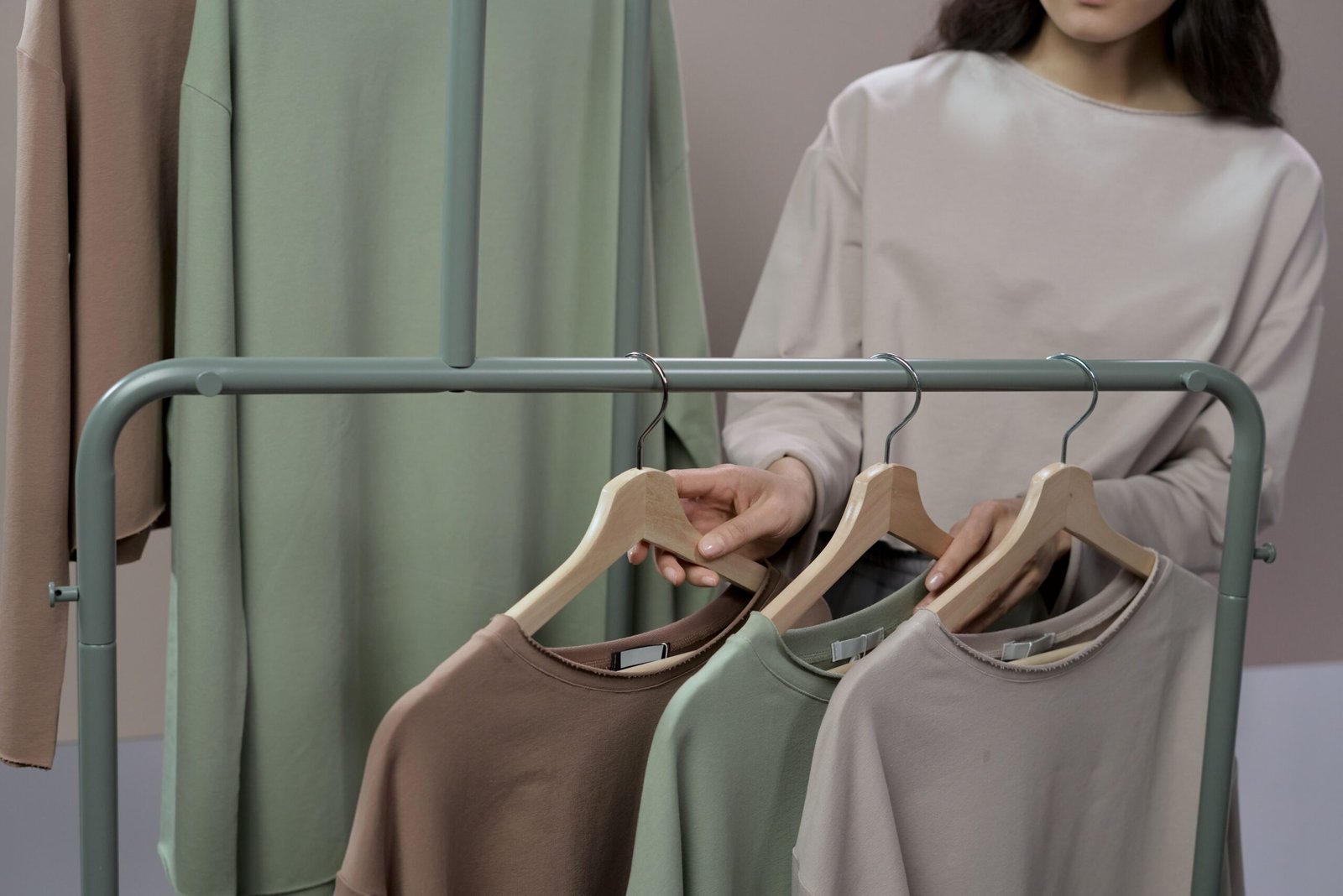
A designer jacket, a tailored suit, a silk blouse, or a carefully crafted coat often receives plenty of attention at the moment of purchase. Consumers compare styles, evaluate quality, and consider how the piece fits into their wardrobe. What happens afterward, however, is becoming an equally important part of the conversation. A growing number of fashion-conscious consumers recognize that owning clothing and maintaining clothing are closely connected. The way a garment is cared for can influence how it looks, feels, and performs years after it first enters a closet.
This growing awareness is changing the relationship people have with fashion. Clothing is increasingly viewed as something to be managed thoughtfully rather than simply worn until it needs replacing. Consumers are learning about fabrics, storage conditions, cleaning methods, and maintenance practices that can help preserve garments over time.
Protecting Fashion Investments
The growing popularity of luxury and premium clothing has contributed to a greater appreciation for garment care. Consumers spending significant amounts on designer pieces often view those purchases differently from everyday clothing. A well-made coat, evening gown, tailored suit, or luxury handbag may remain part of a wardrobe for many years. Because of that, attention naturally turns toward preservation.
This mindset has contributed to growing interest in professional garment care services. Many consumers recognize that specialty fabrics and designer pieces often require expertise beyond standard home care routines. Services such as Hallak Cleaners are frequently discussed within luxury fashion circles because professional cleaning and preservation can help maintain the appearance and structure of high-value garments. Rather than waiting until visible problems appear, many consumers now view professional care as part of a broader strategy for protecting fashion investments and extending the life of important wardrobe pieces.
Knowing the Fabric Matters
One reason garment care has become more relevant is the increasing variety of fabrics available in modern wardrobes. Consumers may own clothing made from cashmere, silk, linen, wool, technical performance materials, and numerous fabric blends. Each material behaves differently and often responds best to specific care methods. A routine that works perfectly for one garment may be unsuitable for another.
Fashion consumers are becoming more aware of these differences. Reading fabric labels, understanding care instructions, and recognizing how various materials react to cleaning and storage are becoming valuable skills. Someone purchasing a wool blazer may need different maintenance habits than someone investing in a silk dress. Fabric knowledge helps consumers make informed decisions about both purchasing and long-term care.
Seasonal Rotation and Clothing Care
Many wardrobes naturally operate on a seasonal cycle. Heavy coats, sweaters, and cold-weather accessories disappear during warmer months, while lighter fabrics and summer styles become more prominent. This seasonal rotation has encouraged greater awareness of garment care because clothing often spends extended periods in storage between uses. How garments are prepared before storage can significantly influence their condition when the season returns.
Consumers are paying closer attention to cleaning, organizing, and storing seasonal items properly. A coat placed into storage without proper care may emerge months later with unwanted odors, wrinkles, or fabric issues. Delicate garments can be affected by humidity, dust, or improper storage conditions. As a result, seasonal transitions are increasingly viewed as opportunities for wardrobe maintenance rather than simple closet reorganization.
Everyday Habits and Garment Longevity
Some of the most important garment care practices are surprisingly simple. The way clothing is handled after wearing, how it is hung or folded, and how frequently it is cleaned can all influence longevity. Modern consumers are becoming more aware that everyday habits often determine how long garments maintain their original appearance. Fashion knowledge increasingly includes understanding these small but meaningful routines.
A jacket that is allowed to air out after use may maintain freshness longer. Proper hangers can help garments retain their shape. Prompt attention to stains can prevent permanent damage. These practices may seem minor individually, but collectively they can influence the lifespan of clothing.
Caring for Luxury Pieces Differently
Luxury garments are often created using premium materials, detailed construction techniques, and specialized craftsmanship. Because of this, they frequently benefit from a different approach to maintenance than everyday apparel. Consumers investing in luxury fashion are increasingly aware that preserving these garments often requires greater attention and care than standard wardrobe items.
Storage conditions, handling practices, and professional maintenance all become part of the conversation. A luxury garment may represent a significant financial investment and boost your confidence, but it may also carry sentimental value or occupy an important place within a personal wardrobe. Consumers increasingly understand that preserving such pieces involves more than simply keeping them clean. It involves maintaining the qualities that made them valuable in the first place.
The Value of Proper Storage
Garment care does not begin and end with cleaning. Storage plays an equally important role in preserving clothing. A beautifully maintained garment can still experience damage if it is stored improperly for long periods. Issues such as fabric distortion, wrinkles, fading, dust accumulation, and moisture exposure can all affect clothing over time.
Proper storage techniques vary depending on the garment. Structured jackets often benefit from supportive hangers, while knitwear may be better suited for folding. Seasonal pieces frequently require breathable storage solutions and clean environments before being put away.
Paying Attention to Clothing Life Cycles
Many consumers are becoming more interested in what happens throughout the entire life of a garment. Conversations about fashion now extend beyond purchasing decisions and include topics such as durability, maintenance, repair, and long-term use. This perspective encourages people to think about clothing as a lasting part of their wardrobe rather than a temporary item destined for quick replacement.
Given this, garment care is becoming connected to broader discussions about value and consumption. Consumers often ask how long a garment can realistically remain in excellent condition and what maintenance practices support that goal.
Clothing Care as Fashion Knowledge
Discussions that once focused almost entirely on design, trends, and consumer behavior now frequently include garment care topics. Students, professionals, and fashion enthusiasts are learning that maintenance plays an important role in preserving the appearance and functionality of clothing. A strong understanding of fashion increasingly includes knowledge about how garments should be cleaned, stored, and maintained throughout their lifespan.
People are investing more thought into the long-term condition of their wardrobes and seeking information that helps them care for clothing properly. Fashion knowledge is becoming more practical and comprehensive.
Garment care has evolved from a routine household responsibility into an important part of modern fashion knowledge. As consumers invest in higher-quality garments, specialty fabrics, and luxury pieces, attention is increasingly turning toward preservation, maintenance, and long-term wardrobe management.
Leave a Reply