
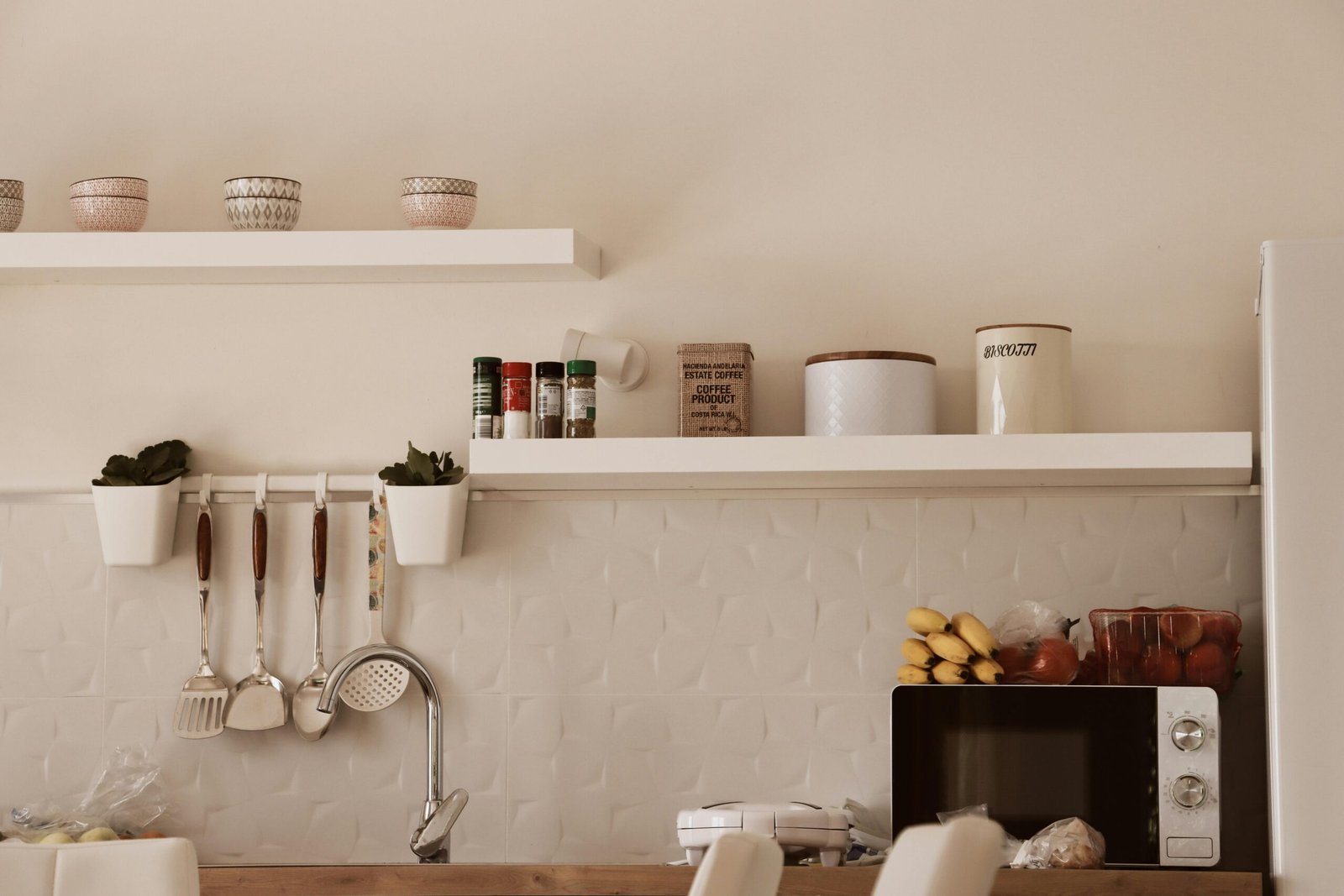
Walk through almost any busy household right now, and one thing becomes pretty obvious fast: people are tired of feeling scattered inside their own homes. Water bottles end up in random rooms, vitamins disappear into kitchen drawers, kids dump backpacks near the door, and everyone talks about wanting healthier routines while the house itself works against those habits every single day. Families are starting to realize that wellness does not always come from huge lifestyle changes or expensive routines outside the home.
Families are turning empty corners, spare shelves, entryways, and quiet spots into spaces built around everyday habits like hydration, rest, stretching, emotional check-ins, and healthier routines overall.
Daily Wellness Spaces
Most homes have at least one awkward little corner that nobody really knows what to do with. Maybe it is a space beside the kitchen, a neglected hallway area, part of the laundry room, or a random shelf collecting clutter that nobody touches anymore. Families are starting to look at those forgotten spots differently now because they can actually become useful wellness spaces without requiring major renovations or expensive redesign projects. A compact corner with water bottles, supplements, calming lighting, wellness journals, or healthy snacks can completely change how that part of the house gets used every day.
Once people create these spaces, they usually start becoming much more intentional about what they keep there. Instead of stuffing wellness products into random cabinets, families are organizing items they actually use daily in one visible spot that supports healthier habits naturally. That’s where companies connected to long-term wellness routines often come into the picture. Many households include products from Melaleuca: The Wellness Company inside these stations because the setup already revolves around daily wellness-focused living. Their product categories allow homeowners to purchase supplements, home care, protein shakes, and skincare products, among many more, from one place.
Organizing Vitamins, Supplements, and Healthy Essentials
You probably already know how frustrating it feels trying to keep wellness routines consistent once everything is scattered around the house. Vitamins end up behind cereal boxes, supplements disappear into bathroom cabinets, hydration packets get shoved into junk drawers, and suddenly nobody remembers what they were supposed to take in the first place. Families are starting to fix that problem by creating one organized wellness area where everything connected to daily health routines stays together and is easy to grab without hunting through multiple rooms every morning.
A simple setup honestly changes a lot more than people expect. Once supplements, healthy snacks, water bottles, and wellness essentials all sit in one clear spot, routines stop feeling disorganized and rushed. Kids know where to grab what they need before school. Adults stop forgetting hydration or vitamins during hectic mornings. The whole process feels smoother because the house itself supports the habit instead of creating extra obstacles around it.
Screen-Free Zones
Most families spend the entire day surrounded by screens without even realizing how constant the stimulation has become. Phones stay within reach during dinner, televisions run in the background for hours, tablets follow kids from room to room, and notifications never really stop. After a while, the home starts feeling mentally noisy even during moments that are supposed to feel relaxing. Families are responding to that by carving out small screen-free spaces where people can actually slow down without another device pulling attention every few minutes.
A screen-free wellness corner does not need anything fancy to work well. Some families set up a chair near a window with books and soft lighting. Others use calming music, puzzles, journals, blankets, or indoor plants to create a quieter atmosphere inside busy homes.
Simplify After-School Routines
The after-school rush can turn a calm house upside down in about ten minutes. Backpacks hit the floor, shoes end up everywhere, kids are hungry immediately, homework gets ignored, and parents are usually juggling work messages, dinner prep, and evening schedules at the same time. A lot of families are creating after-school wellness stations because they want afternoons to feel less chaotic and a little more structured without constantly repeating the same instructions every day.
Most after-school setups stay pretty simple because practicality matters more than appearance. Families often keep healthy snacks, refillable water bottles, homework supplies, planners, or calming activities all together in one spot, so kids can easily access them once they walk through the door.
Air Quality and Aromatherapy Features
Families are paying much closer attention now to how a home actually feels physically throughout the day. Stuffy rooms, lingering odors, dry air, and heavy indoor environments can quietly affect comfort levels without people immediately realizing why certain spaces feel draining or unpleasant. Wellness stations connected to air quality and atmosphere are becoming increasingly common because families want shared spaces to feel fresher, calmer, and more comfortable during everyday routines.
Some popular features showing up inside these wellness setups include:
- Air purifiers placed in heavily used family areas
- Essential oil diffusers with calming scents during evenings
- Indoor plants that help shared spaces feel fresher visually
- Humidifiers during colder months when indoor air feels dry
- Open shelving designed to reduce clutter and improve airflow visually
Families often discover that atmosphere affects mood and comfort more than expected once they begin adjusting shared spaces intentionally.
Wellness stations are becoming part of modern homes because families want healthier routines to feel realistic inside everyday life, instead of something that only happens occasionally. Families are learning that wellness grows much more once the home itself starts supporting the habits people are trying to build consistently.
Leave a Reply