
Hiking has become more than just a weekend activity. It is a way to explore nature, challenge yourself, and step away from daily routines. Whether you are walking short trails or taking on longer treks, the experience depends heavily on the gear you choose.
Among all outdoor equipment, footwear plays the most important role. The right boots can improve comfort, safety, and overall performance, while poor-quality options can lead to fatigue and injuries. Many hikers underestimate the impact of proper footwear until they face discomfort on the trail.
The points below highlight how quality hiking boots can make a real difference in your outdoor adventures and help you stay prepared for different terrains and conditions.
1. Stronger Support and Stability
Hiking often involves uneven terrain, steep slopes, and loose surfaces. Without proper support, it becomes difficult to maintain balance and control.
Quality hiking boots are built with structured soles and firm ankle support. These features help reduce the risk of slips and sprains, especially when carrying extra weight. Better stability allows you to move confidently across challenging paths. It also reduces strain on your feet during long hikes.
Proper support helps distribute your body weight evenly. This minimizes pressure on specific areas and improves overall walking efficiency on rough terrain.
2. Superior Grip and Terrain Performance
Traction is essential when walking on wet rocks, muddy trails, or steep inclines. A reliable grip helps prevent accidents and improves movement.
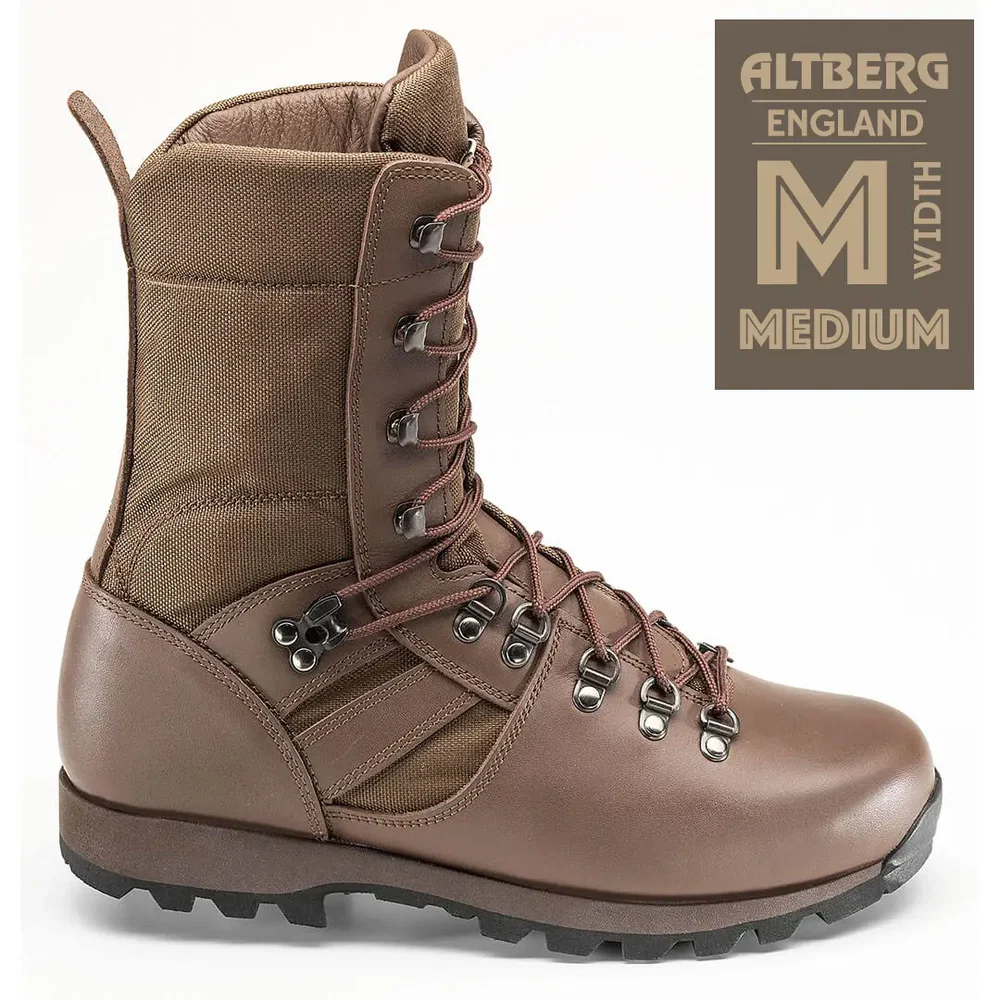
Boots such as altberg jungle boots feature durable outsoles that provide strong traction across various terrains. Their lightweight construction, combined with materials such as full-grain leather and Cordura, provides flexibility without compromising grip.
Options available through John Bull Clothing often feature breathable panels and quick-drying properties. These elements make them suitable for humid, wet conditions, where maintaining grip and comfort is especially important. Strong traction not only improves safety but also helps conserve energy. When your footing is secure, you use less effort to stabilize yourself, making longer hikes more manageable.
3. Long-Lasting Comfort on the Trail
Comfort plays a major role in how enjoyable a hike feels. Poor footwear can lead to blisters, soreness, and fatigue. Quality boots provide cushioning and shock absorption that reduce pressure on your feet and joints. This becomes especially important on longer trails where repetitive impact can cause strain.
Breathable materials also help manage moisture and keep your feet cool. Proper ventilation prevents overheating and reduces the chances of skin irritation. Well-designed boots provide a secure fit that supports natural foot movement.
This balance between flexibility and support helps maintain comfort throughout the hike. Comfort also improves endurance. When your feet feel good, you can focus more on the surroundings and less on discomfort, making the overall experience more enjoyable.
4. Protection from Rough Terrain
Outdoor trails often include rocks, roots, and uneven ground. Without proper protection, your feet are at risk of injury. High-quality hiking boots feature reinforced toe caps and durable uppers. These elements protect your feet from impact and sharp objects that are commonly found on trails.
Strong materials also help prevent abrasions and reduce wear caused by rough surfaces. This ensures that your boots remain reliable even in demanding conditions. Protection is not just about safety. It also contributes to confidence, allowing you to move freely without constantly worrying about obstacles underfoot.
Additionally, protective features reduce the risk of minor injuries that can disrupt your hike. This allows you to stay focused and maintain a steady pace.
5. Weather Adaptability and Durability
Weather conditions can change quickly during outdoor activities. Rain, mud, and heat can all affect how your boots perform. Quality boots are designed to handle different environments. Some offer water resistance to keep feet dry, while others focus on quick drying for wet climates.
Durability plays a key role in long-term performance. Boots made with strong materials can withstand repeated exposure to harsh conditions without losing their effectiveness.
Reliable footwear ensures you are prepared for unexpected weather changes, making your outdoor experience more consistent and enjoyable. Durable boots also maintain their structure over time.
6. Improved Performance and Reduced Injury Risk
The right hiking boots improve overall movement and efficiency. Better grip, support, and comfort all contribute to smoother steps. They also help reduce the risk of injuries by providing proper alignment and stability. This minimizes strain on your feet, ankles, and joints during long hikes.
A secure fit prevents unnecessary movement inside the boot, reducing friction and the chances of blisters. This becomes especially important during extended outdoor activities.
With reliable footwear, you can move confidently and maintain steady performance throughout your journey, even on challenging terrain. Improved performance also means better energy management.
Conclusion
Quality hiking boots are more than just footwear. They are an essential part of a safe and enjoyable outdoor experience. From support and comfort to durability and protection, each feature plays an important role. Investing in the right boots helps you explore with confidence and makes every step of your journey more rewarding.
Leave a Reply