
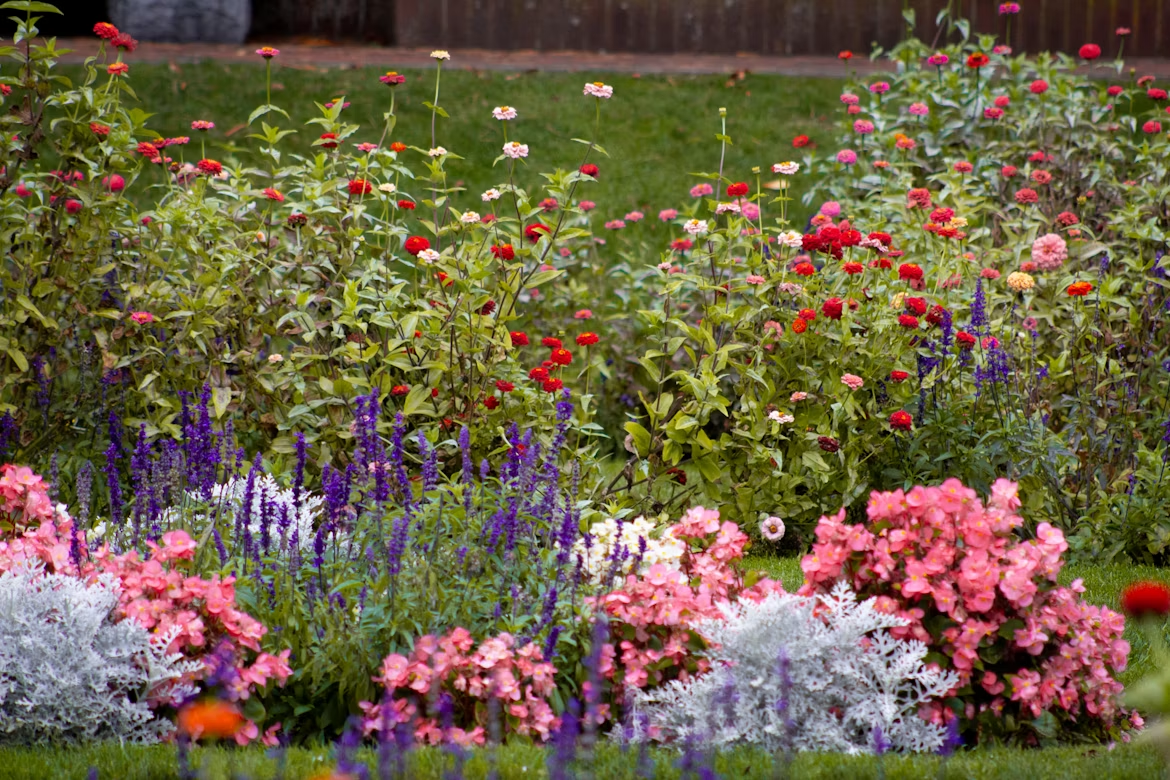
Image credit Unsplash
A memorial keepsake can give grief a gentle place to land at home. In an outdoor space, that keepsake becomes part of everyday life, offering a quiet reminder during morning coffee, gardening or a few minutes spent on the porch.
There’s no single correct way to remember someone. Grief affects people differently, so the most comforting outdoor memorials tend to reflect the person, the family and the space available. The ideas below can help you create something personal that also feels natural in your yard, patio or garden.
Why outdoor memorials feel comforting
Outdoor spaces give people room to remember without turning remembrance into a formal event. You might notice a favorite flower blooming, hear leaves moving in the breeze or sit in a familiar chair after a long day. These ordinary moments can create a calm setting for memories.
A memorial in the yard also remains flexible. Family members can visit it when they want without following a schedule. Children may feel more comfortable talking about someone while watering flowers or watching birds than they would during a planned conversation indoors.
Research on nature and mental health suggests that time around plants and green spaces can reduce stress and support emotional well-being. An outdoor keepsake won’t remove grief, but it can help create a restful environment during a difficult season.
The size of the space doesn’t matter much. A large backyard might hold a flowering tree and bench, while an apartment balcony may have room for one pot, a small ornament and a chair. What matters is that the arrangement fits naturally into daily life. If maintaining it starts to feel like a burden, simplify it until the space feels supportive again.
Choosing a keepsake that feels personal
Start with a specific memory. Think about the colors the person loved, the flowers they grew, the sayings they often used or the sounds that remind you of time together. Those details can guide you toward a keepsake that feels sincere instead of generic.
Sound can be especially meaningful outdoors. Families considering remembrance wind chimes can choose personalized options with custom engraving, inscribed poetry or a loved one’s name. Before placing chimes, listen from a few locations. A sheltered porch may create a soft tone, while an exposed corner can make the sound frequent or distracting on windy days.
Other fitting choices include an engraved garden stone, a weather-safe photo tile or a small sculpture connected to a hobby. A ceramic bird may suit someone who loved watching backyard wildlife. A painted planter could reflect a favorite color, and a simple plaque might include a short phrase the family recognizes immediately.
Keep inscriptions brief enough to read without leaning in. A name, dates, and one short line often fit better than a long passage. Check spelling and dates carefully before ordering anything personalized. If the keepsake is a sympathy gift, ask a close family member about preferred names and wording so the finished piece respects the family’s wishes.
Build a small space around the memory
Once you have a keepsake, give it a setting where it won’t feel lost. You don’t need to redesign the whole yard. A defined area about three to six feet wide can hold a focal piece, a few plants and a comfortable place to pause.
Begin by watching the site for several days. Note how many hours of direct sun it receives, where rainwater collects and how much foot traffic passes nearby. The USDA Plant Hardiness Zone Map can help you identify plants suited to typical winter conditions in your area, though sunlight and soil moisture still affect how well they grow.
Choose two or three plant varieties instead of filling the spot all at once. For example, a partly shaded corner might include hostas around a memorial stone, while a sunny patio container could hold lavender or compact flowers. If the person had a favorite bloom, check its care needs before making it the center of the design.
Add a flat stepping stone or stable chair if family members will visit the spot. Uneven gravel and loose edging can become tripping hazards, especially for children and older relatives. Solar lighting may make the area visible in the evening, but use one or two soft lights so the memorial retains its quiet character.
Leave some open space too. Plants spread, tastes change, and another meaningful item may become available later.
Plan for weather, wildlife and upkeep
Outdoor memorial keepsakes need to handle sun, moisture and seasonal temperature changes. Read the product care instructions before sealing, painting or cleaning an item since the wrong treatment can damage its finish.
Metal pieces may benefit from a location under an eave, particularly in places with heavy rain or salty coastal air. Ceramic items should have drainage or come indoors during hard freezes. Wood can fade and crack, so check it each spring for loose hardware, rough edges and peeling protective coating.
Plants also need to suit the household’s routine. If no one has time for frequent watering, use established perennials or drought-tolerant plants appropriate for the region. Containers usually dry faster than garden beds, sometimes needing water every day during hot weather. A larger pot with a drainage hole will hold moisture longer than a tiny decorative container.
For homes with pets, review toxic and non-toxic plants before you shop. Lilies, for example, can pose a serious risk to cats. Families hoping to attract birds should avoid sticky decorations, loose synthetic fibers and anything that could trap small animals.
Set a simple maintenance rhythm. Wipe the keepsake monthly, remove dead growth as needed and inspect hanging hardware after strong storms. This keeps the area cared for without turning remembrance into an exhausting chore.
Include family without adding pressure
A memorial space can become more meaningful when family members contribute, though no one should feel required to participate. Grief has its own timing, and some people may want to help months after the space is first created.
Give children clear, manageable choices. They might paint a smooth stone, select one flower color or draw a picture that can be photographed and transferred to a weather-safe tile. Adults could contribute a plant cutting, write down a short memory or help choose an inscription.
If relatives live far away, invite them to share a photo, phrase or plant suggestion. One person might remember a favorite rose while someone else recalls a song lyric or family nickname. Gather the ideas first, then choose the details that work well outdoors and feel respectful to everyone closest to the loss.
The Dougy Center’s grief resources can help adults support children through remembrance activities in age-appropriate ways. Kids may move between sadness and play quickly, which is a normal response and not a sign that the memorial means less to them.
Consider marking birthdays or anniversaries with a small seasonal action. Replacing flowers, cleaning the plaque or spending ten quiet minutes outside can feel more natural than arranging a large gathering every year.
Let the space change over time
An outdoor memorial doesn’t have to stay exactly as it was on the day you created it. Plants mature, materials weather, and your relationship with the space may change. That flexibility can make the memorial easier to live with over many years.
Take a photo when the area is first finished. The image creates a record of the original design and helps if a storm, move, or yard project requires you to rebuild it. Keep a copy of any engraving text and save care instructions for personalized pieces.
Review the area once or twice a year. Replace damaged hanging cords, divide crowded perennials and move items that receive too much direct sun. If you’re moving to a new home, take the portable keepsake and collect a few seeds or a cutting when plant rules and growing conditions allow.
There may also come a time when the family wants a simpler display. A large garden can become one container on a porch, and several ornaments can be reduced to the piece with the strongest meaning. Changes like these don’t diminish the person’s memory. They allow the space to keep serving the people who use it.
A well-loved memorial corner may eventually show faded stone, mature plants and a seat worn smooth from use. Those signs of time can become part of its meaning, reflecting years of ordinary moments spent remembering someone special.
Leave a Reply